
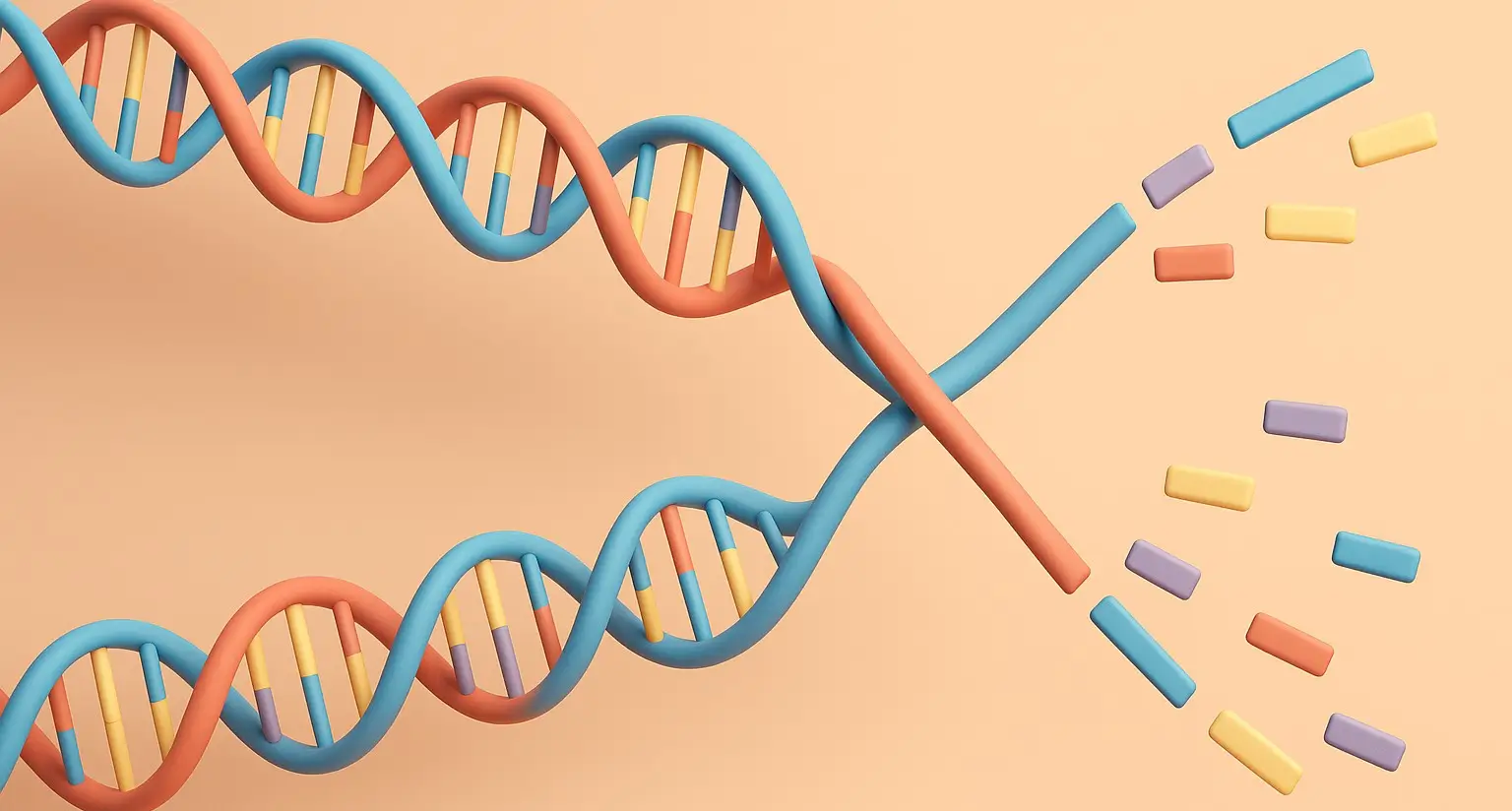
- Recombinant DNA technology, also known as genetic engineering or gene cloning, is a set of techniques used to manipulate and modify DNA from different sources to create new DNA molecules.
- These recombinant DNA molecules are widely used in gene therapy, biotechnology, and pharmaceuticals.
Steps in Recombinant DNA Technology
-
Isolation of DNA
- DNA is extracted from a source organism using enzymatic digestion or commercial extraction kits.
-
Cutting DNA
- Restriction enzymes cut the DNA at specific sites, creating sticky or blunt ends that allow fragments to be joined with DNA from other sources.
-
Cloning Vectors
- Vectors (e.g., plasmids or bacteriophages) carry foreign DNA into a host cell.
- DNA fragments are inserted into vectors using sticky ends.
-
Transformation
- The recombinant DNA is introduced into a host cell (e.g., bacteria) through transformation, allowing replication of the recombinant molecule.
-
Selection
- Selection markers (e.g., antibiotic resistance genes) help identify host cells that successfully took up the recombinant DNA.
-
Screening
- PCR, DNA sequencing, and Southern blotting verify the presence and integrity of the desired recombinant DNA.
Advertisements
Example: Production of Human Insulin
- The insulin gene is isolated from human DNA.
- It is inserted into a plasmid vector (e.g., pBR322).
- The recombinant plasmid is introduced into E. coli.
- The bacteria produce human insulin, which is later purified for medical use.
Click Here to Watch the Best Pharma Videos
Advertisements