Meclofenamate (Meclofenamic acid)

Meclofenamate (Meclofenamic acid)
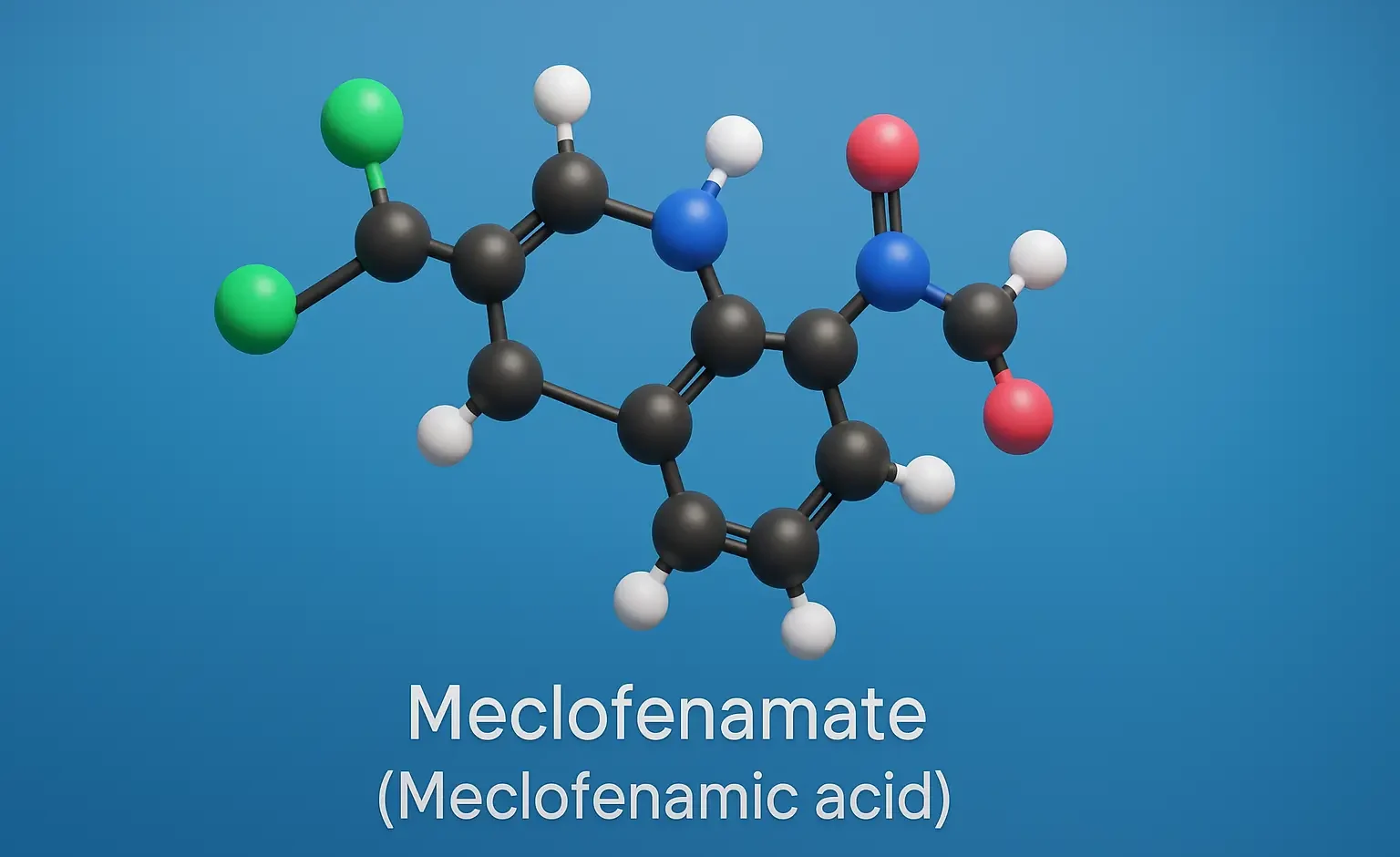
Meclofenamate (Meclofenamic acid) is an NSAID effective in pain, inflammation, and arthritis relief. It inhibits COX enzymes, reducing prostaglandin synthesis and inflammation. Chemical Formula: C₁₄H₁₁Cl₂NO₂ Mechanism of Action: Reversible, non-selective COX-1/COX-2 inhibitor Inhibits prostaglandin synthesis Uses of Meclofenamate (Meclofenamic acid): Mild to moderate pain Dysmenorrhea Osteoarthritis, rheumatoid arthritis Side Effects of Meclofenamate (Meclofenamic acid): GI … Read more
Mefenamic Acid

Mefenamic Acid

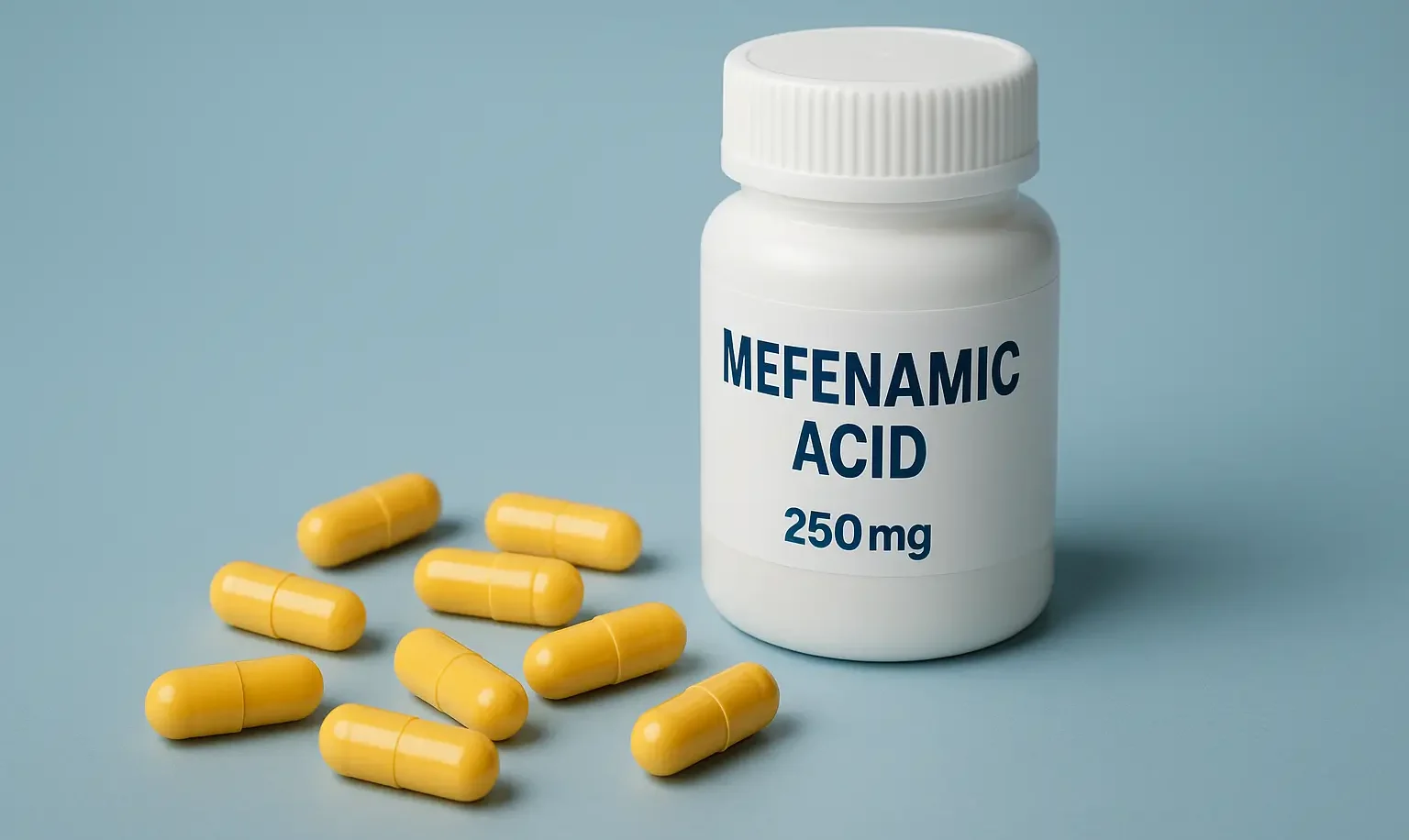
Mefenamic Acid is an NSAID effective in treating pain, inflammation, and menstrual cramps. It inhibits COX enzymes, reducing prostaglandin synthesis for analgesic and anti-inflammatory action. Chemical Formula: C₁₅H₁₅NO₂ Mechanism: Reversible, non-selective COX inhibitor Reduces prostaglandin synthesis → pain relief, anti-inflammatory Uses: Dysmenorrhea Mild to moderate pain Musculoskeletal inflammation Side Effects: GI irritation Diarrhea CNS effects … Read more

Aspirin (Acetylsalicylic acid)

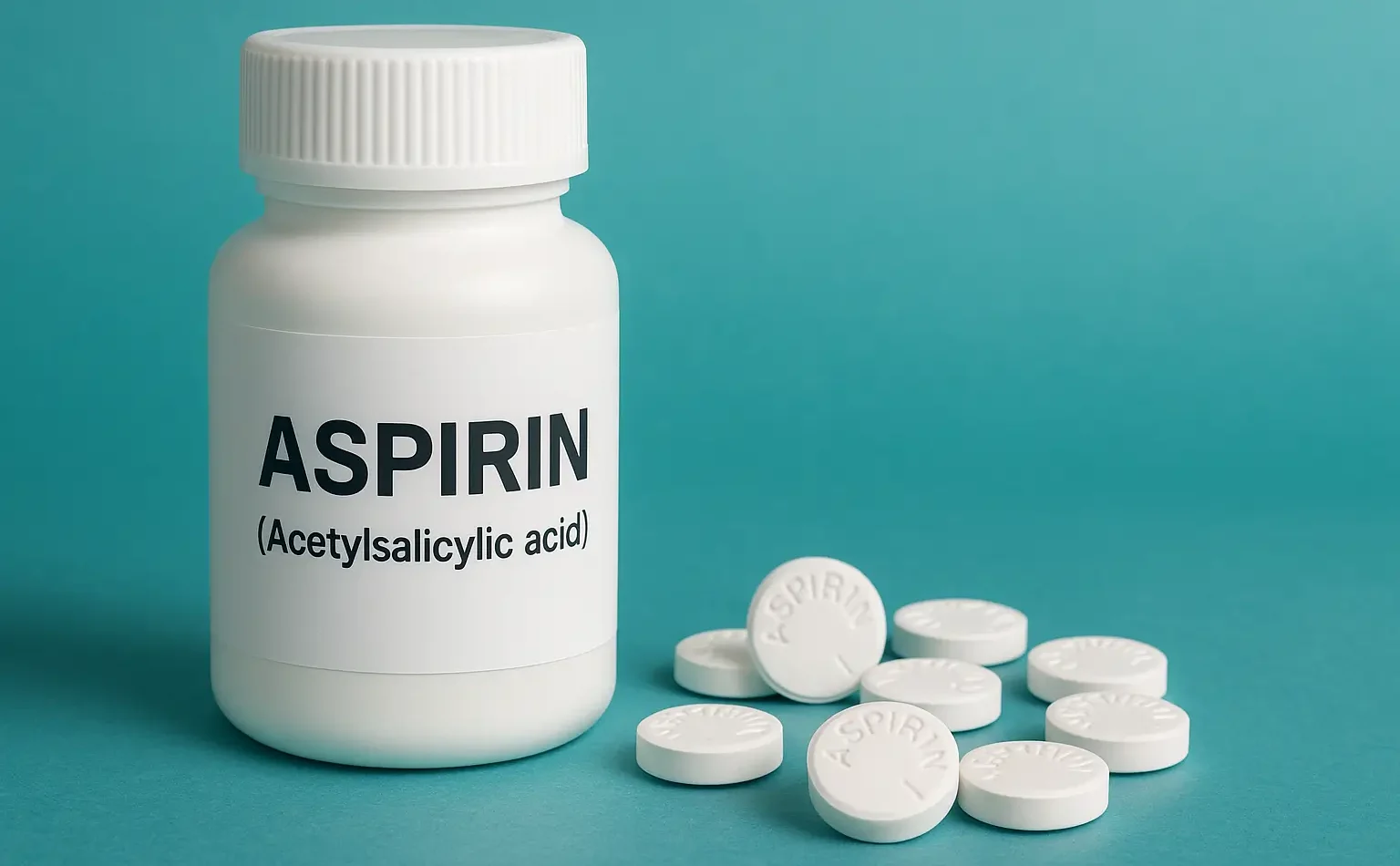
Explore Aspirin (Acetylsalicylic acid) for pain relief, anti-inflammatory action, and cardiovascular protection. It works by inhibiting COX enzymes, reducing prostaglandin synthesis. Chemical Formula: C₉H₈O₄ Mechanism of Aspirin (Acetylsalicylic acid): Irreversible inhibitor of COX-1 & COX-2 Acetylates serine residue on COX enzymes Uses of Aspirin (Acetylsalicylic acid): Analgesic, antipyretic Anti-inflammatory (high dose) Anti-platelet (low dose) Side … Read more

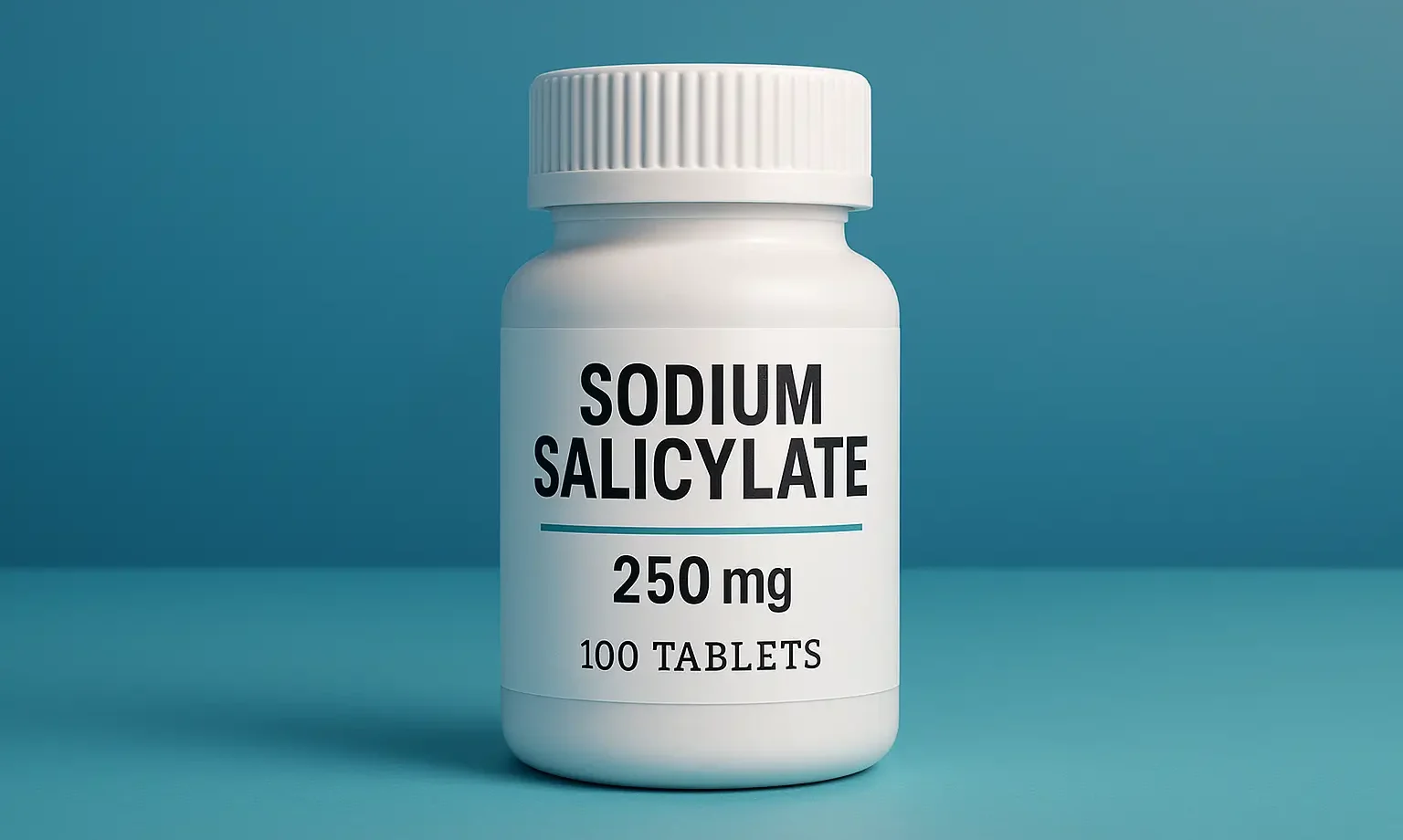
Sodium Salicylate

Sodium Salicylate inhibits prostaglandin synthesis, reducing pain, fever, and inflammation. It is used as an analgesic, antipyretic, and anti-inflammatory agent. Chemical Formula: C₇H₅NaO₃ Mechanism of Action: Non-selective COX inhibitor Reduces PG synthesis → anti-inflammatory, antipyretic, analgesic Uses of Sodium Salicylate: Mild pain Fever Rheumatic fever, arthritis Side Effects of Sodium Salicylate: GI irritation Tinnitus (salicylism) … Read more

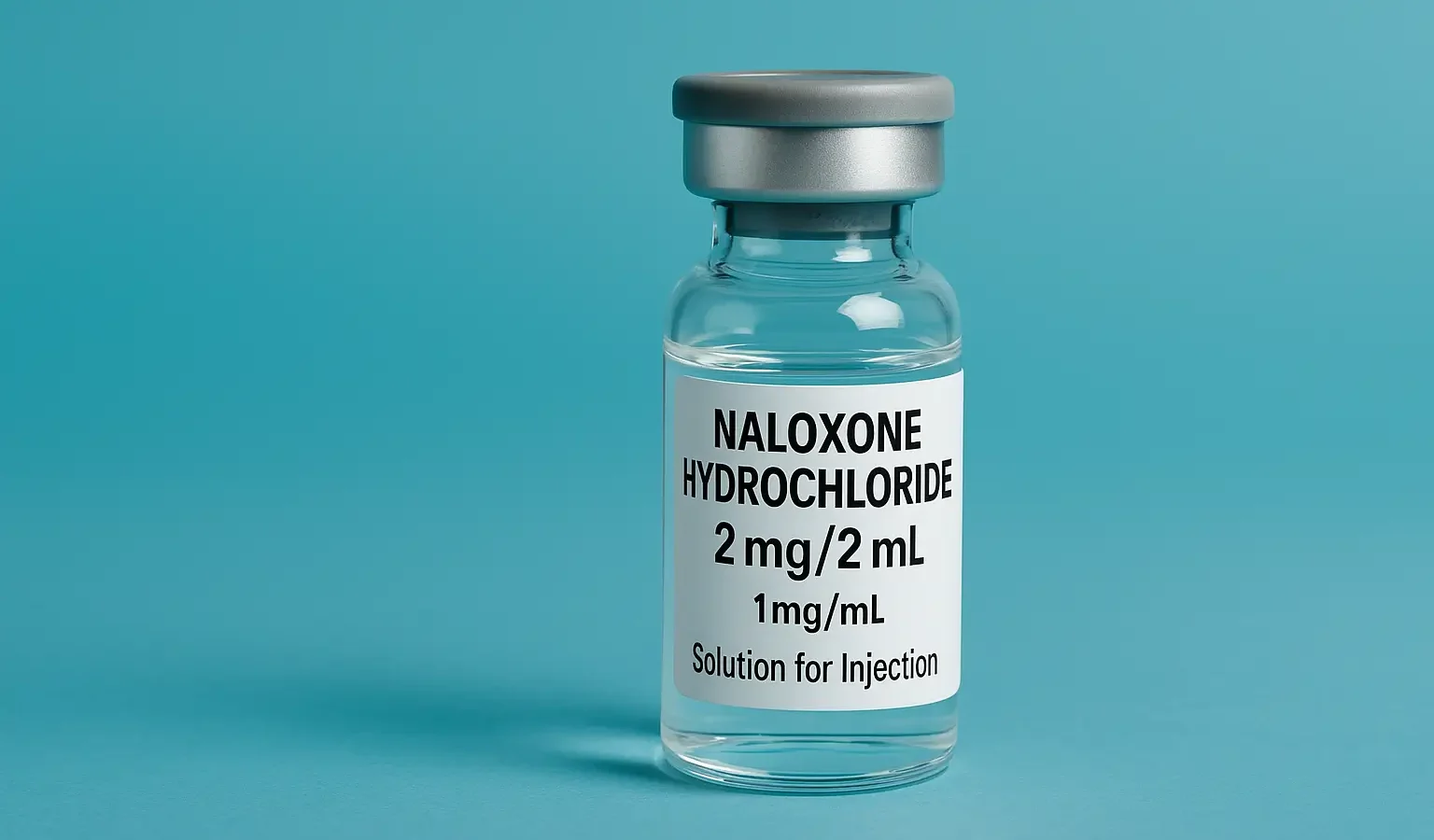
Naloxone Hydrochloride

Naloxone Hydrochloride

Naloxone Hydrochloride rapidly reverses opioid overdose by blocking opioid receptor activity. It is a pure opioid antagonist with fast onset and short duration of action. Chemical Formula: C₁₉H₂₁NO₄·HCl Mechanism of Action: Pure opioid antagonist Strong μ-receptor affinity (competitive) Also blocks κ and δ (lesser extent) Rapid onset; short half-life (~1–2 hrs) Therapeutic Uses: Emergency reversal … Read more

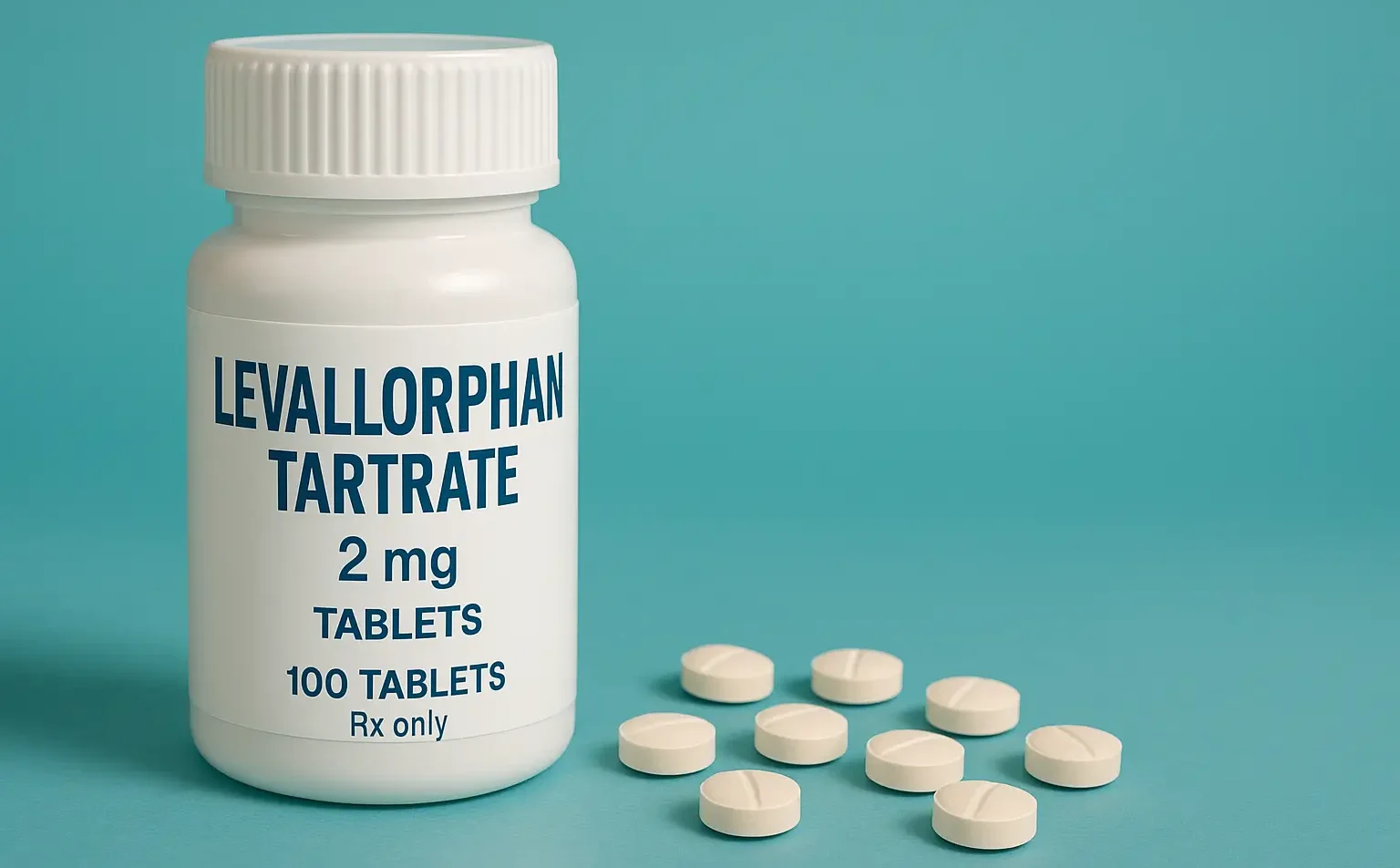
Levallorphan Tartrate

Levallorphan Tartrate blocks opioid receptors, counteracting morphine-like effects effectively. It is an opioid antagonist used to reverse opioid-induced respiratory depression. Chemical Formula: C₁₉H₂₅NO·C₄H₆O₆ Mechanism of Levallorphan Tartrate: μ-opioid receptor antagonist Partial κ-agonist Uses of Levallorphan Tartrate: Reversal of opioid-induced respiratory depression Anesthesia adjunct (historical use with pethidine) Side Effects: Dysphoria Confusion Tachycardia Hallucinations Notes: Similar … Read more

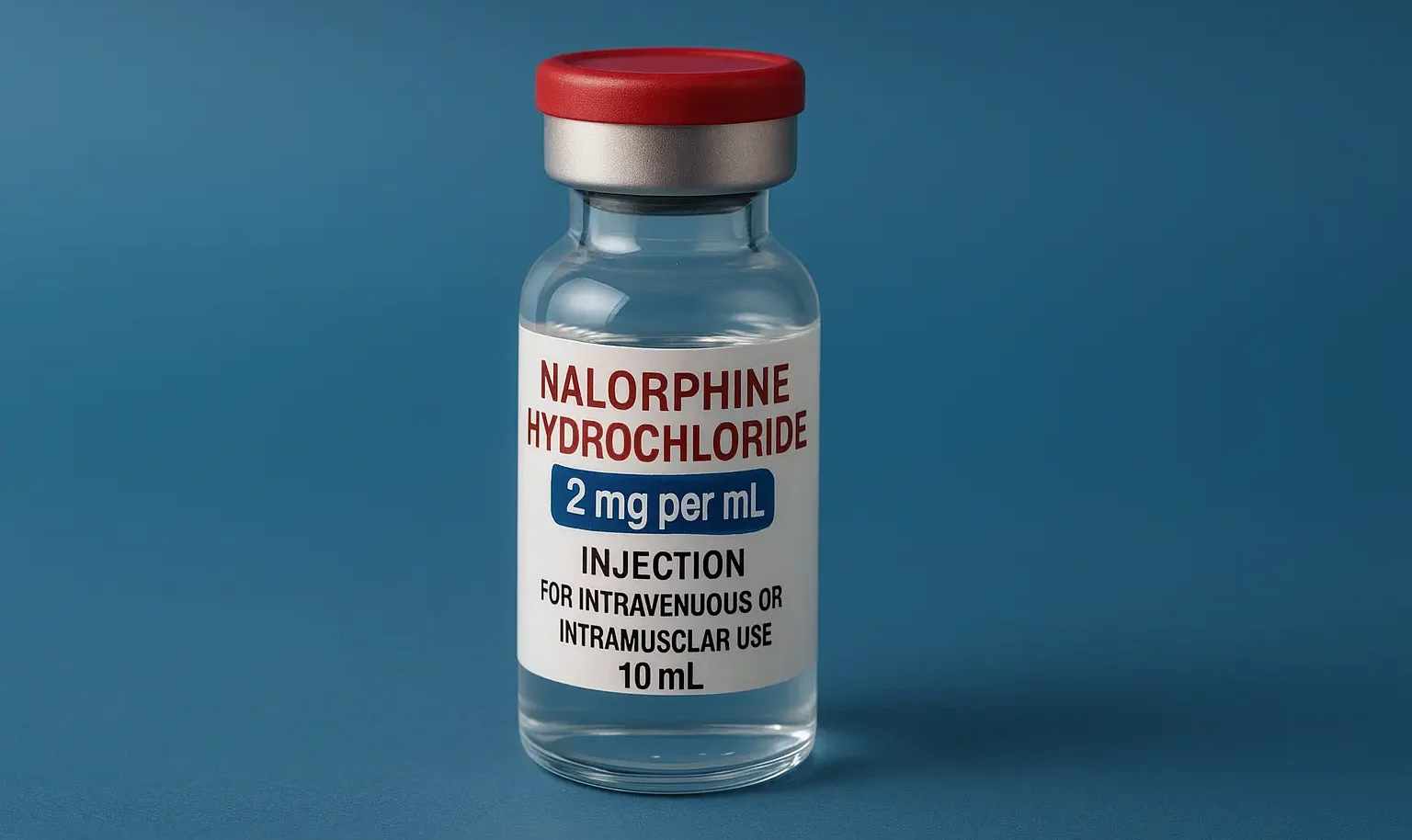
Nalorphine Hydrochloride

Naloxone Hydrochloride

Nalorphine Hydrochloride treats opioid overdose by reversing respiratory depression. It acts as a mixed opioid agonist-antagonist at μ and κ receptors. Chemical Formula: C₁₉H₂₁NO₃·HCl Mechanism of Action: Mixed opioid agonist-antagonist μ-antagonist → blocks respiratory depression κ-agonist → mild analgesia and dysphoria Therapeutic Uses of Nalorphine Hydrochloride: Historically used to reverse opioid overdose Replaced by safer … Read more

Levorphanol Tartrate

Levorphanol Tartrate

Levorphanol Tartrate is a potent opioid for severe pain and neuropathic conditions. It acts on μ, κ, δ opioid receptors with long duration analgesic effects. Chemical Formula: C₁₇H₂₃NO·C₄H₆O₆ Mechanism of Action: Full μ-opioid agonist Also inhibits NMDA receptors and serotonin/norepinephrine reuptake Uses of Levorphanol Tartrate: Chronic severe pain Effective in neuropathic pain Side Effects of … Read more

Pentazocine

Pentazocine

Pentazocine is an opioid analgesic for moderate to severe pain relief with lower addiction risk. It acts as a kappa agonist and weak mu antagonist, producing analgesia with fewer side effects. Chemical Formula: C₁₉H₂₇NO Mechanism of Action: Kappa agonist + weak μ antagonist Produces analgesia with limited euphoria Uses of Pentazocine: Moderate to severe pain … Read more

Propoxyphene Hydrochloride

Propoxyphene Hydrochloride

Propoxyphene Hydrochloride acts as a weak opioid agonist, binding to CNS receptors to reduce pain. It is used for mild to moderate pain relief with limited efficacy. Chemical Formula: C₂₂H₂₉NO₂·HCl Mechanism of Action: Weak μ-opioid receptor agonist Structurally related to methadone, but much lower potency Uses of Propoxyphene Hydrochloride: Mild to moderate pain Formerly combined … Read more

','

' ); } ?>