Physiological Properties Affecting Drug Distribution

Physiological Properties Affecting Drug Distribution
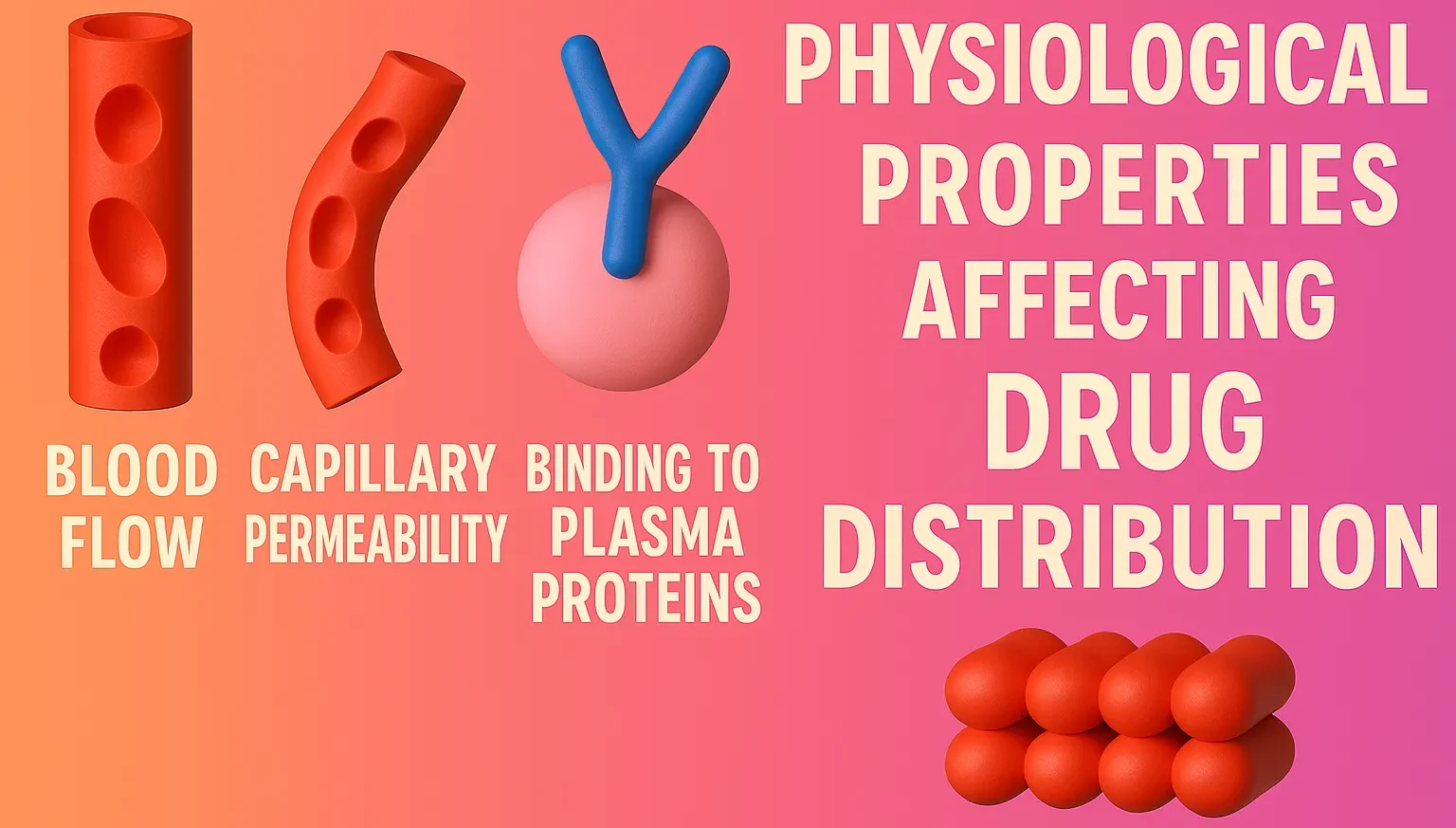
Physiological Properties Affecting Drug Distribution include blood flow, tissue permeability, protein binding, and body water content. Physiological Properties Affecting Drug Distribution The distribution of a drug in the body is influenced by several physiological properties: Lipid Solubility Highly lipid-soluble drugs (e.g., diazepam, propofol) distribute more readily into lipid-rich tissues like the brain and adipose tissue. … Read more
Tissue Permeability of Drugs

Tissue Permeability of Drugs

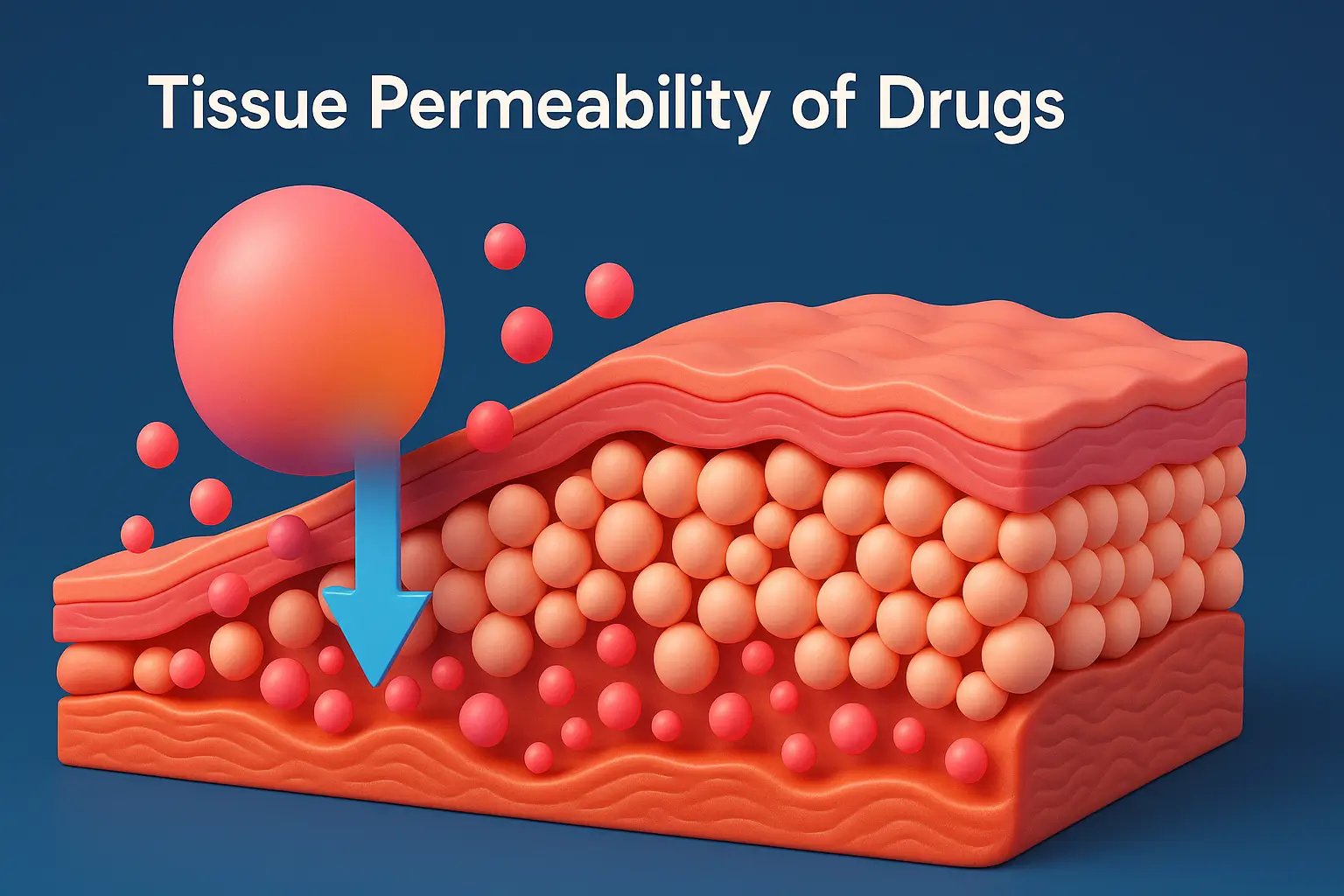
Tissue Permeability of Drugs depends on lipid solubility, ionization, molecular size, and membrane transport mechanisms. Tissue permeability refers to the ability of drugs to cross cell membranes and enter tissues, influencing drug distribution and therapeutic action. It depends on both drug properties and physiological barriers. Factors Influencing Tissue Permeability Lipid Solubility Lipid-soluble drugs easily diffuse … Read more

Binding of Drugs

Binding of Drugs

Binding of Drugs involves reversible interaction with plasma proteins and tissues, affecting distribution, action, and elimination. Drug binding refers to the interaction of drugs with various body components, including proteins, enzymes, receptors, DNA, and ions. This binding influences drug distribution, efficacy, metabolism, and potential drug-drug interactions. Protein binding is the most common type, where drugs … Read more

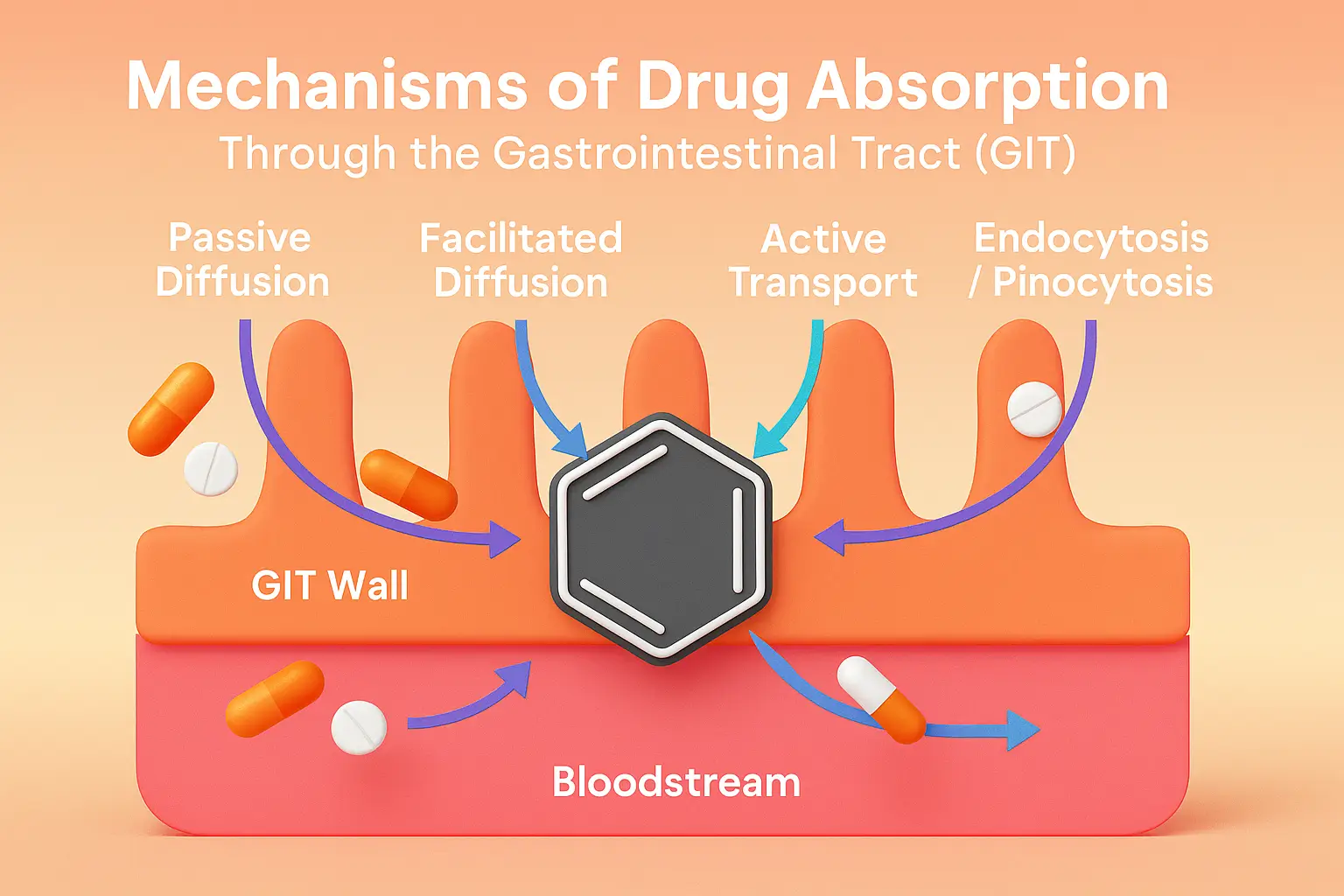
Mechanisms of Drug Absorption Through the Gastrointestinal Tract (GIT)

Mechanisms of Drug Absorption Through the Gastrointestinal Tract (GIT)

Mechanisms of Drug Absorption Through the GIT explain passive diffusion, active transport, and endocytosis in biopharmaceutics. Mechanisms of Drug Absorption Through the GIT When a drug is administered orally (peroral route), it must traverse several barriers in the gastrointestinal tract before reaching systemic circulation. The main mechanisms include: Passive Diffusion Passive diffusion is the most … Read more

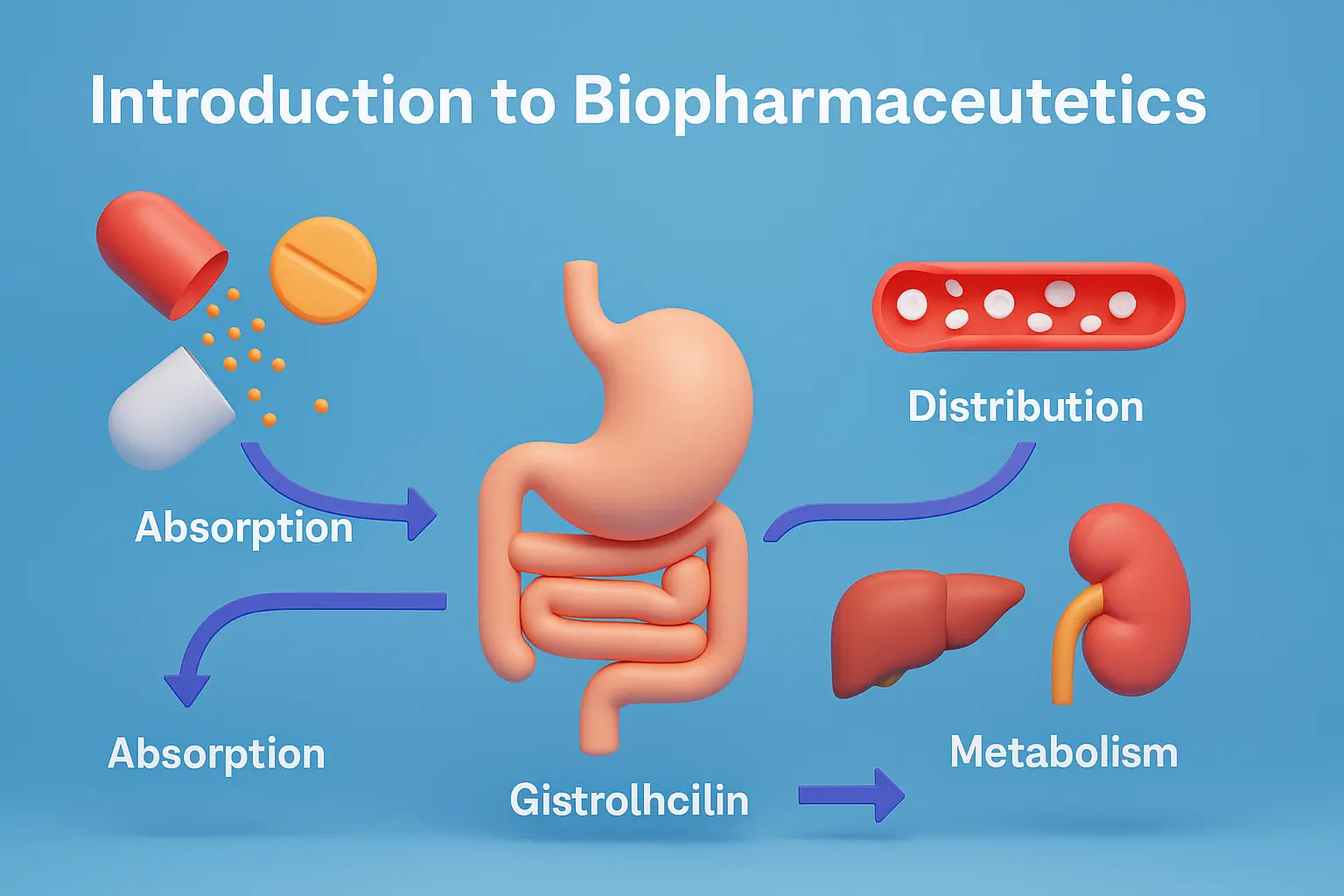
Introduction to Biopharmaceutics

Introduction to Biopharmaceutics

Introduction to Biopharmaceutics explores drug absorption, distribution, metabolism, and excretion with focus on therapeutic effectiveness. Introduction to Biopharmaceutics Definition and Scope Biopharmaceutics studies the interrelationship between a drug’s physical, chemical, and biological properties and its absorption, distribution, metabolism, and excretion. It connects drug formulation with its therapeutic effects. Importance in Drug Development and Therapy Formulation … Read more

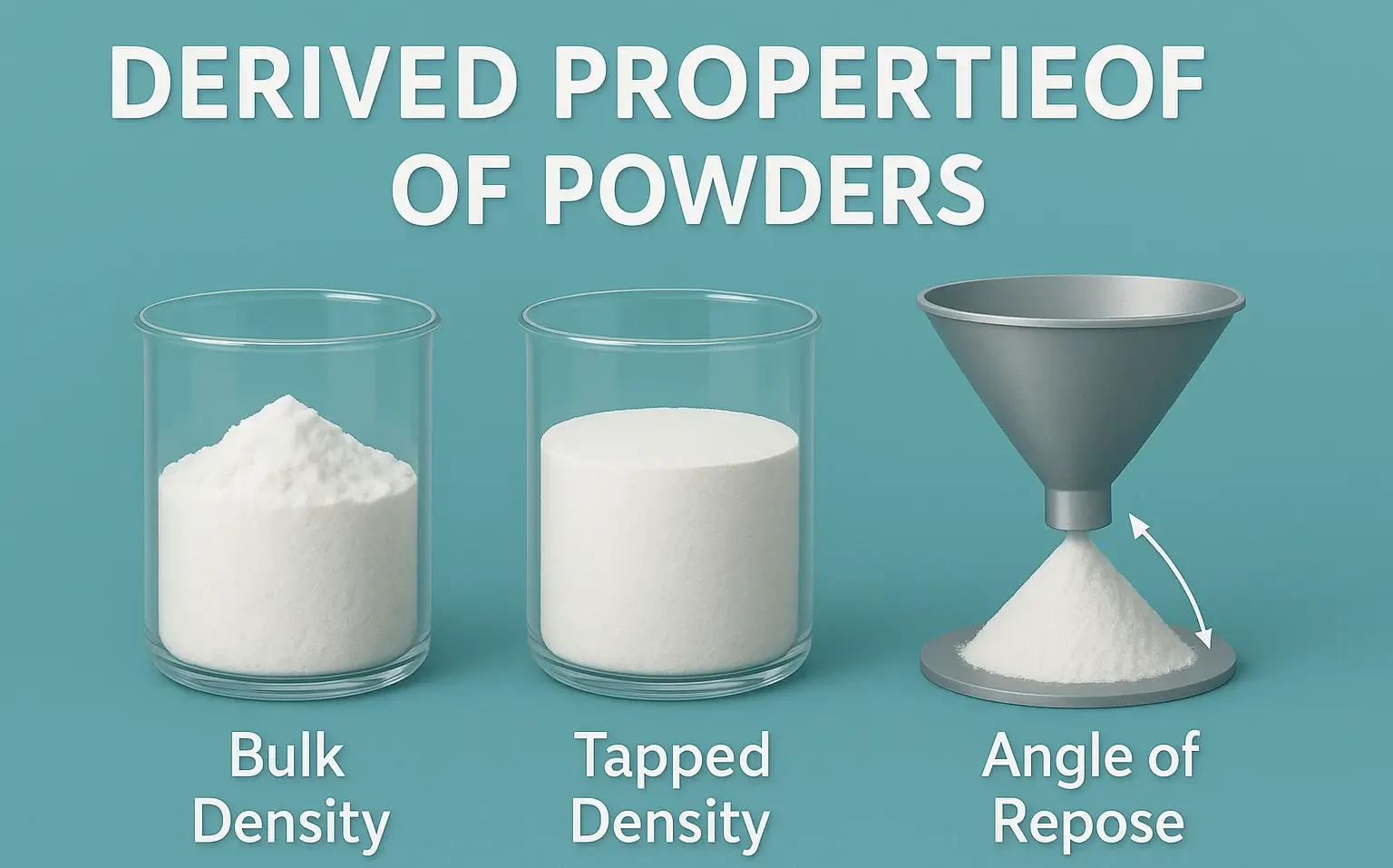
Derived Properties of Powders

Derived Properties of Powders

Derived properties of Powders are not directly measurable like particle size but are calculated or observed based on fundamental measurements. They help understand handling, processing, and formulation behavior of powders in pharmaceutical manufacturing. Main derived properties include: Porosity Packing arrangement Densities (true, bulk, tapped) Bulkiness Flow properties

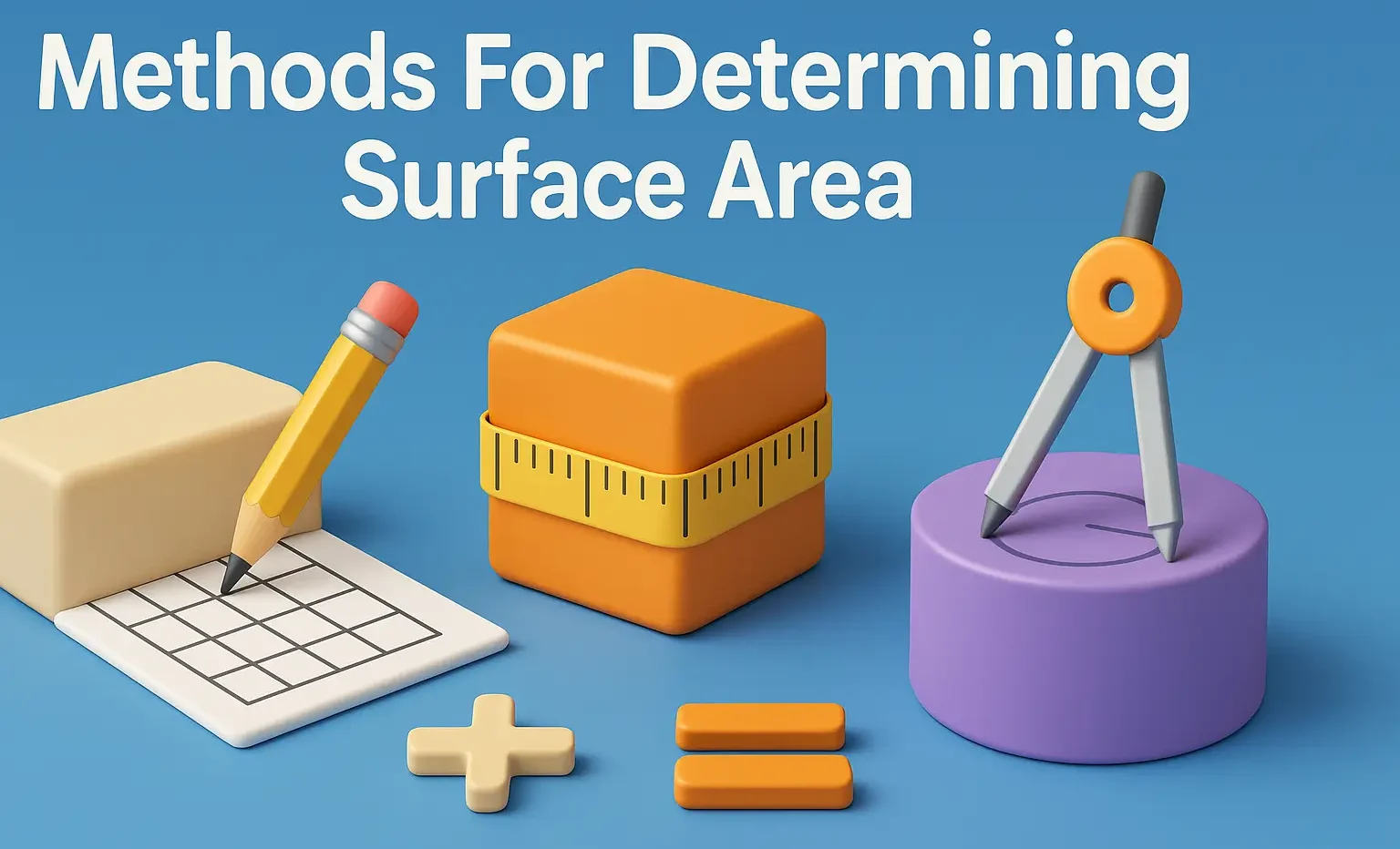
Methods For Determining Surface Area

Methods For Determining Surface Area

Methods For Determining Surface Area explain techniques to measure particle surface in powders and solids. Methods For Determining Surface Area is a critical parameter in pharmaceutics because it affects dissolution, adsorption, chemical reactivity, and bioavailability. It is especially important for fine powders and porous materials. BET (Brunauer–Emmett–Teller) Adsorption Method Principle: Based on physical adsorption of … Read more

Specific Surface Area

Specific Surface Area

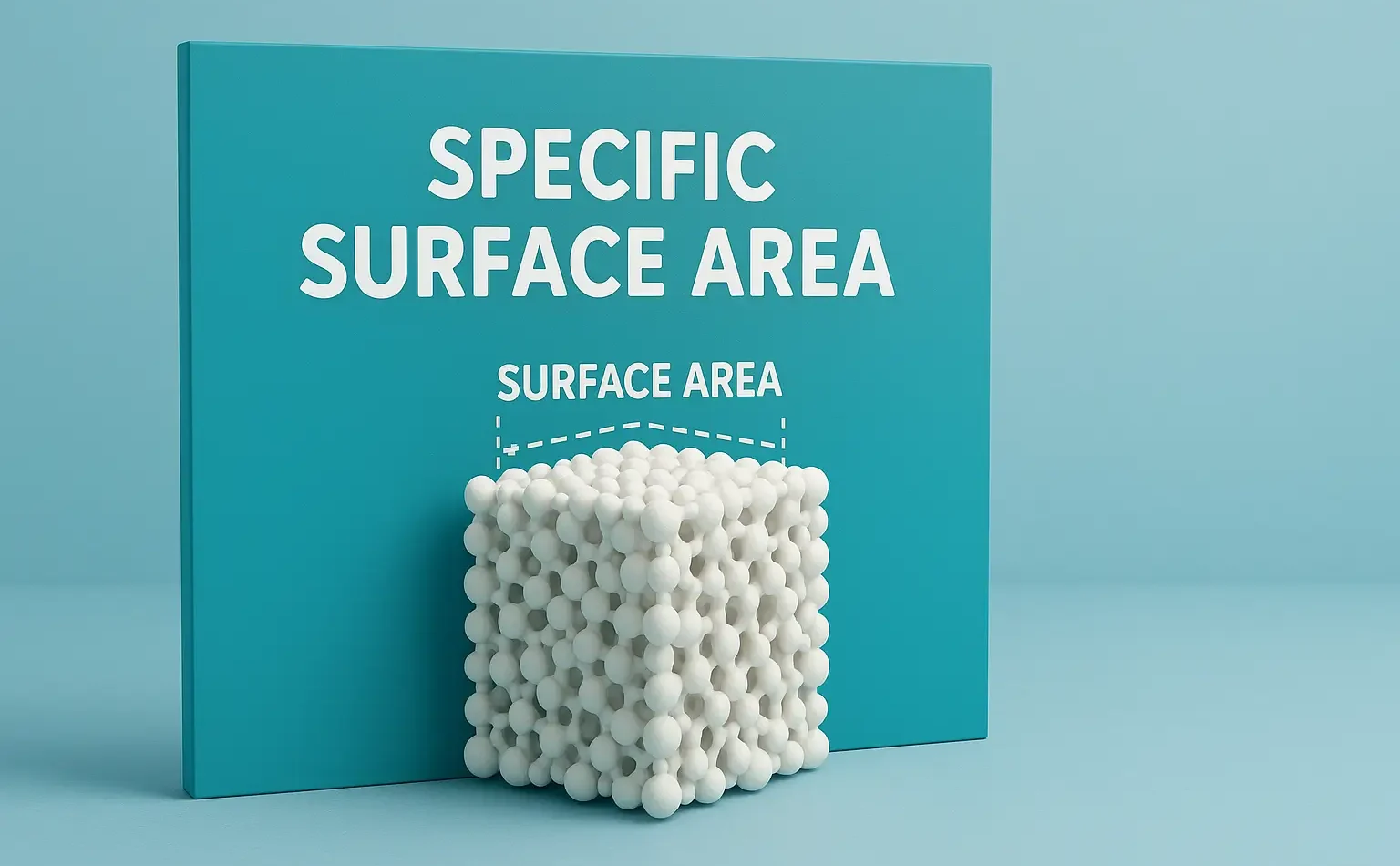
Specific Surface Area refers to the total surface area per unit mass of a material or powder. Specific Surface Area influences solubility, dissolution, reactivity, and pharmaceutical formulations. Definition: Total surface area per unit mass or volume of a material $\text{Specific Surface Area (SSA)} = \frac{\text{Surface Area}}{\text{Mass}}$ Units: m²/g (area per mass) cm²/cm³ (area per volume) … Read more

Particle Shape

Particle Shape

Particle Shape influences surface area, flow, and packing of powders in pharmaceutical formulations. Particle Shape affects dissolution, stability, bioavailability, and product performance. While most techniques assume spherical particles, real particles often have irregular shapes (needle, plate, cube, etc.). Shape Descriptors: Aspect Ratio = Length / Width Sphericity = Surface area of a sphere with same … Read more

Andreasen Pipette Method

Andreasen Pipette Method

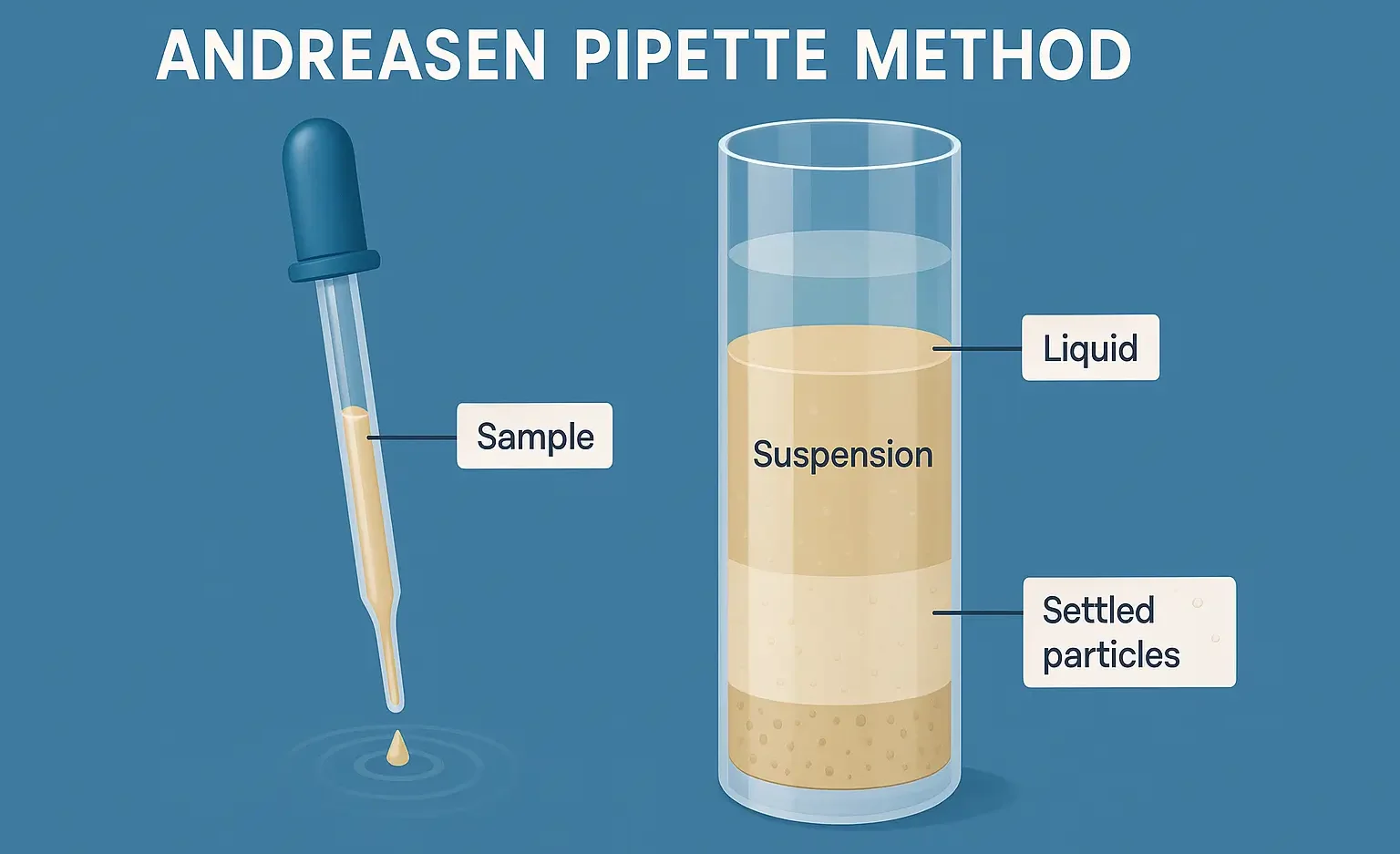
Principle of Andreasen Pipette Method The Andreasen Pipette Method is based on Stokes’ Law, which states that particles settle at a velocity proportional to their size in a fluid. Larger particles settle faster than smaller ones, allowing particle size distribution to be determined by sampling the suspension at fixed depths and times. The method is … Read more

','

' ); } ?>