Methadone Hydrochloride

Methadone Hydrochloride

Methadone Hydrochloride manages opioid dependence and chronic pain with long-lasting effects. It acts as a μ-opioid receptor agonist with NMDA antagonism for analgesia. Chemical Formula: C₂₁H₂₇NO·HCl Mechanism of Action: Full μ-opioid receptor agonist Also, NMDA antagonist and inhibits monoamine reuptake Very long half-life (15–60 hrs) → minimal withdrawal fluctuations Uses of Methadone Hydrochloride: Opioid maintenance … Read more

Fentanyl Citrate

Fentanyl Citrate is a synthetic opioid acting on μ-receptors, offering strong pain relief with fast onset. It provides rapid, potent analgesia for surgery, cancer pain, and anesthesia. Chemical Formula: C₂₂H₂₈N₂O·C₆H₈O₇ Mechanism of Action: Full μ-opioid receptor agonist 50–100× more potent than morphine High lipophilicity → rapid onset and short duration Uses of Fentanyl Citrate: Severe … Read more

Loperamide Hydrochloride

Loperamide Hydrochloride

Loperamide Hydrochloride acts on gut opioid receptors without CNS effects, ensuring safe action. It controls acute and chronic diarrhea by slowing intestinal movement. Chemical Formula: C₂₉H₃₃ClN₂O₂·HCl Mechanism of Action: Peripheral μ-opioid receptor agonist Acts on myenteric plexus of GI tract → inhibits peristalsis No CNS penetration (substrate of P-glycoprotein efflux pump) Uses of Loperamide Hydrochloride: … Read more

Diphenoxylate Hydrochloride

Diphenoxylate Hydrochloride

Diphenoxylate Hydrochloride is an opioid derivative acting on gut receptors with minimal CNS effect. It is used to treat diarrhea by slowing intestinal motility. Chemical Formula: C₃₀H₃₂ClNO₂ Mechanism of Action: μ-opioid agonist → inhibits GI motility Has no significant analgesic effect at therapeutic doses Therapeutic Uses of Diphenoxylate Hydrochloride: Antidiarrheal (combined with atropine in Lomotil) … Read more

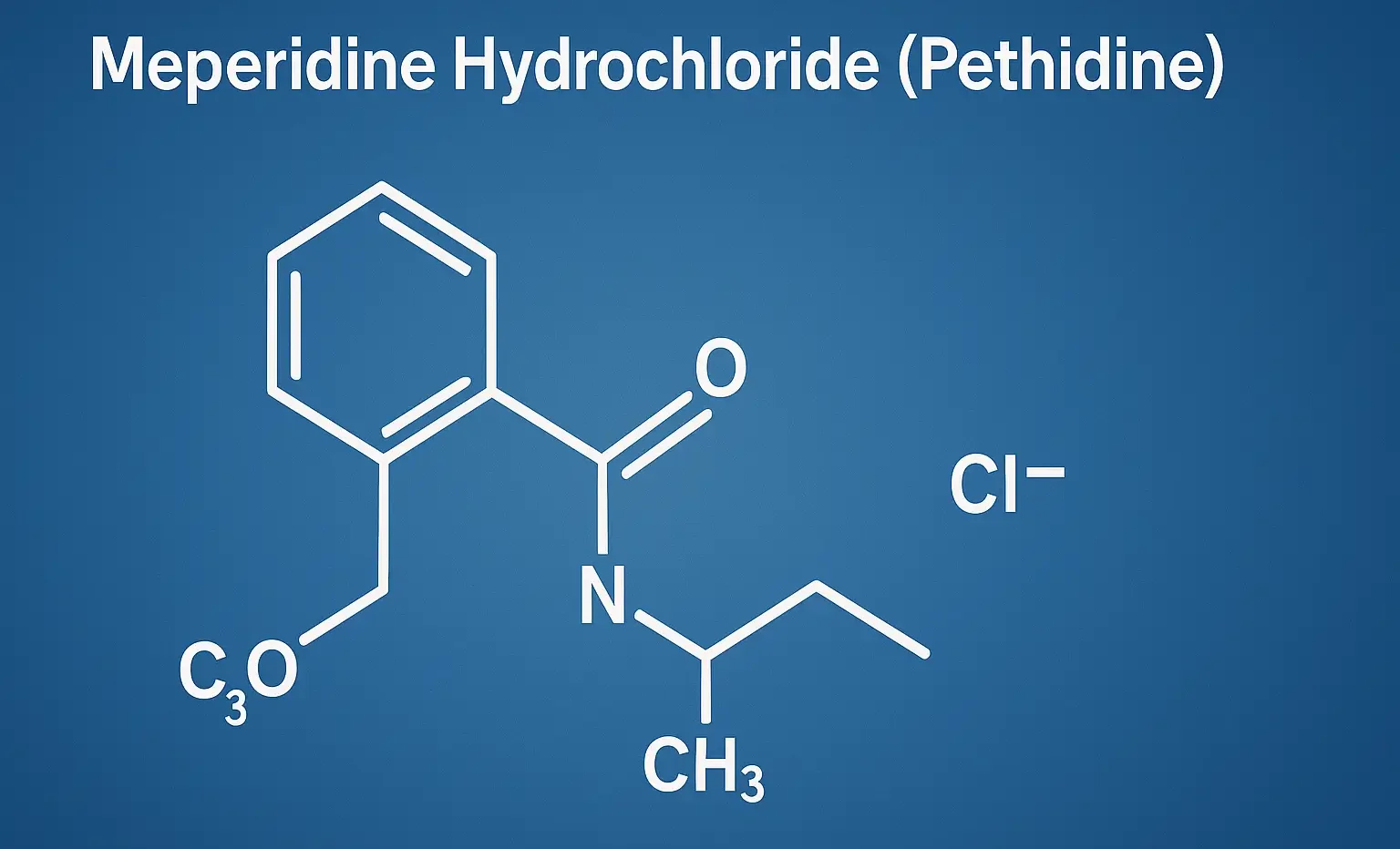
Meperidine Hydrochloride (Pethidine)

Meperidine Hydrochloride (Pethidine) acts on μ-opioid receptors, producing analgesia and sedation. It is an opioid analgesic for moderate to severe pain relief. Chemical Formula: C₁₅H₂₁NO₂·HCl Mechanism of Action: Synthetic μ-opioid agonist Also has anticholinergic and local anesthetic properties Therapeutic Uses of Meperidine Hydrochloride (Pethidine): Acute pain Obstetric analgesia (short duration) Post-anesthesia shivering Side Effects of … Read more

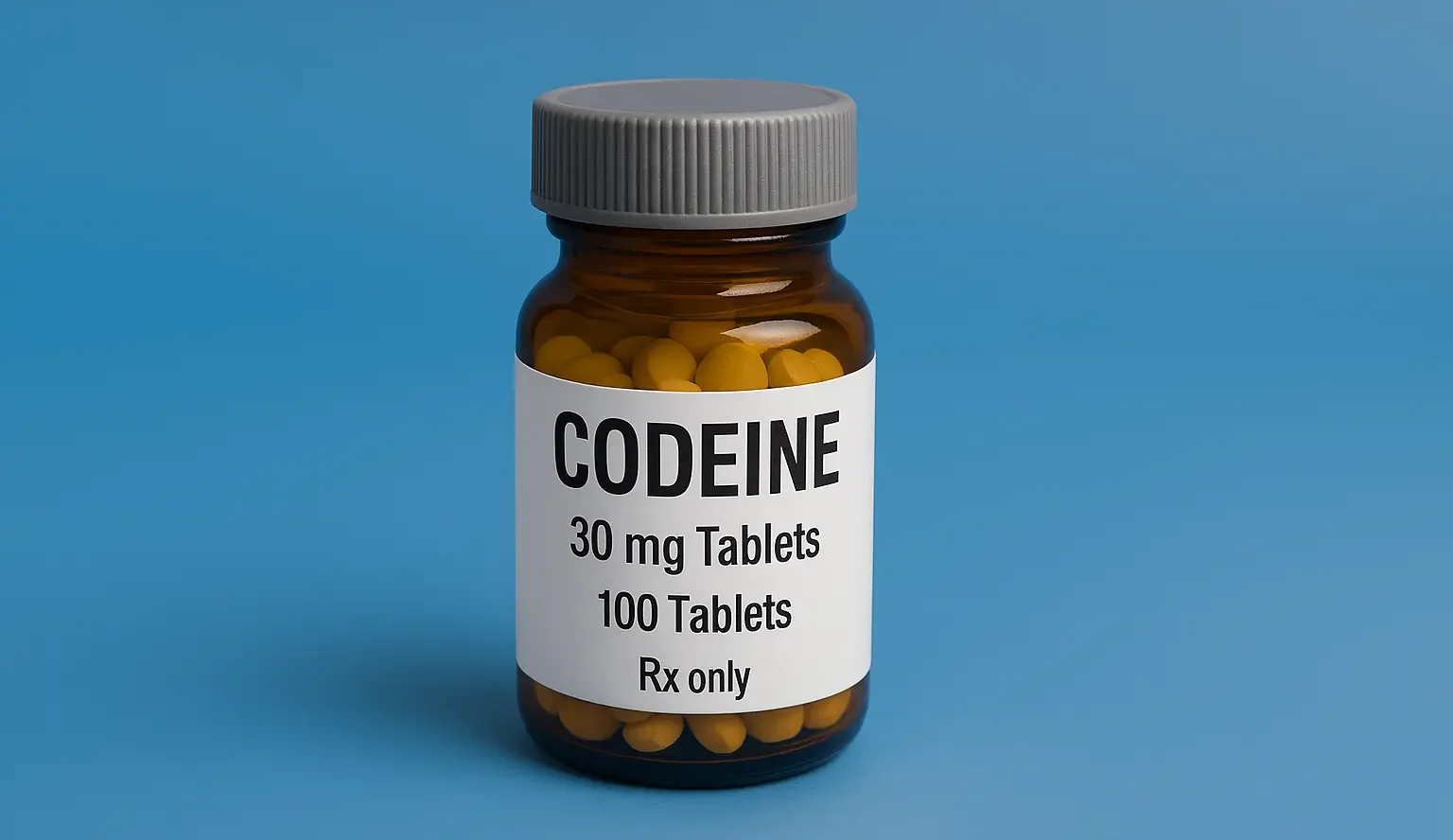
Codeine

Codeine converts to morphine in the body, acting on opioid receptors to provide analgesia and sedation. It is an opioid analgesic and antitussive used for mild to moderate pain and cough relief. Chemical Formula: C₁₈H₂₁NO₃ Mechanism of Action: Prodrug → demethylated in liver (CYP2D6) → morphine Weak μ-opioid agonist itself; major activity via conversion to … Read more

Anileridine Hydrochloride

Anileridine Hydrochloride

Anileridine Hydrochloride acts on opioid receptors, altering pain perception and producing sedation. It is an opioid analgesic for moderate to severe pain management. Chemical Formula: C₂₂H₂₈N₂O₂·HCl Mechanism of Action: μ-opioid receptor agonist Therapeutic Uses of Anileridine Hydrochloride: Moderate to severe pain (post-op or cancer pain) Faster onset than morphine Side Effects of Anileridine Hydrochloride: Respiratory … Read more

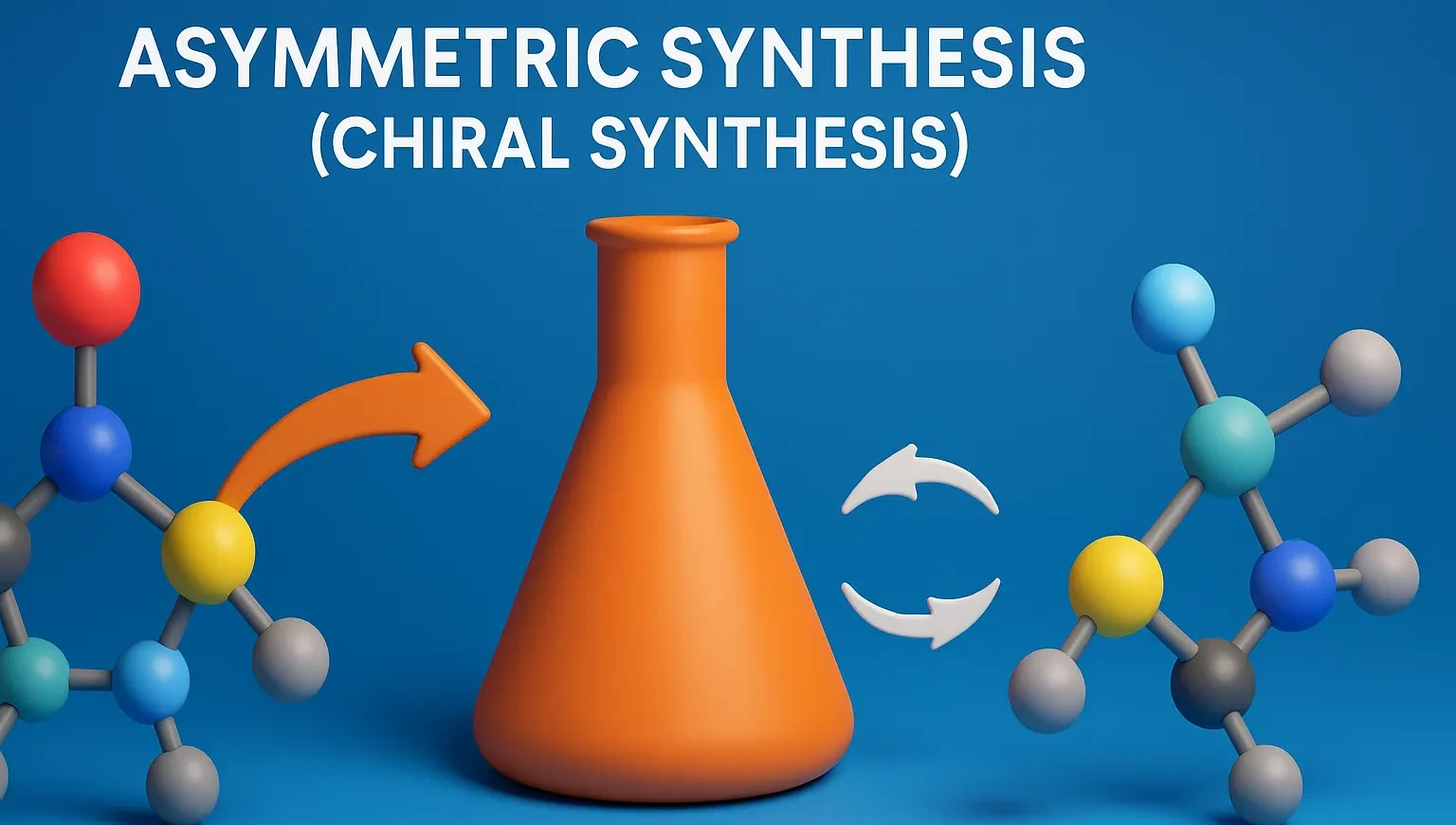
Asymmetric Synthesis (Chiral Synthesis)

Asymmetric Synthesis (Chiral Synthesis)

Asymmetric Synthesis (Chiral Synthesis) is a method of creating compounds with a preferred chirality to produce optically active molecules. Definition: Asymmetric synthesis is a chemical reaction that forms chiral products in a way that favors one stereoisomer (enantiomer or diastereomer) over the other. Essential in drug synthesis, since enantiomers can have different biological effects. Types … Read more

Racemic Modification (Racemization)

Racemic Modification (Racemization)

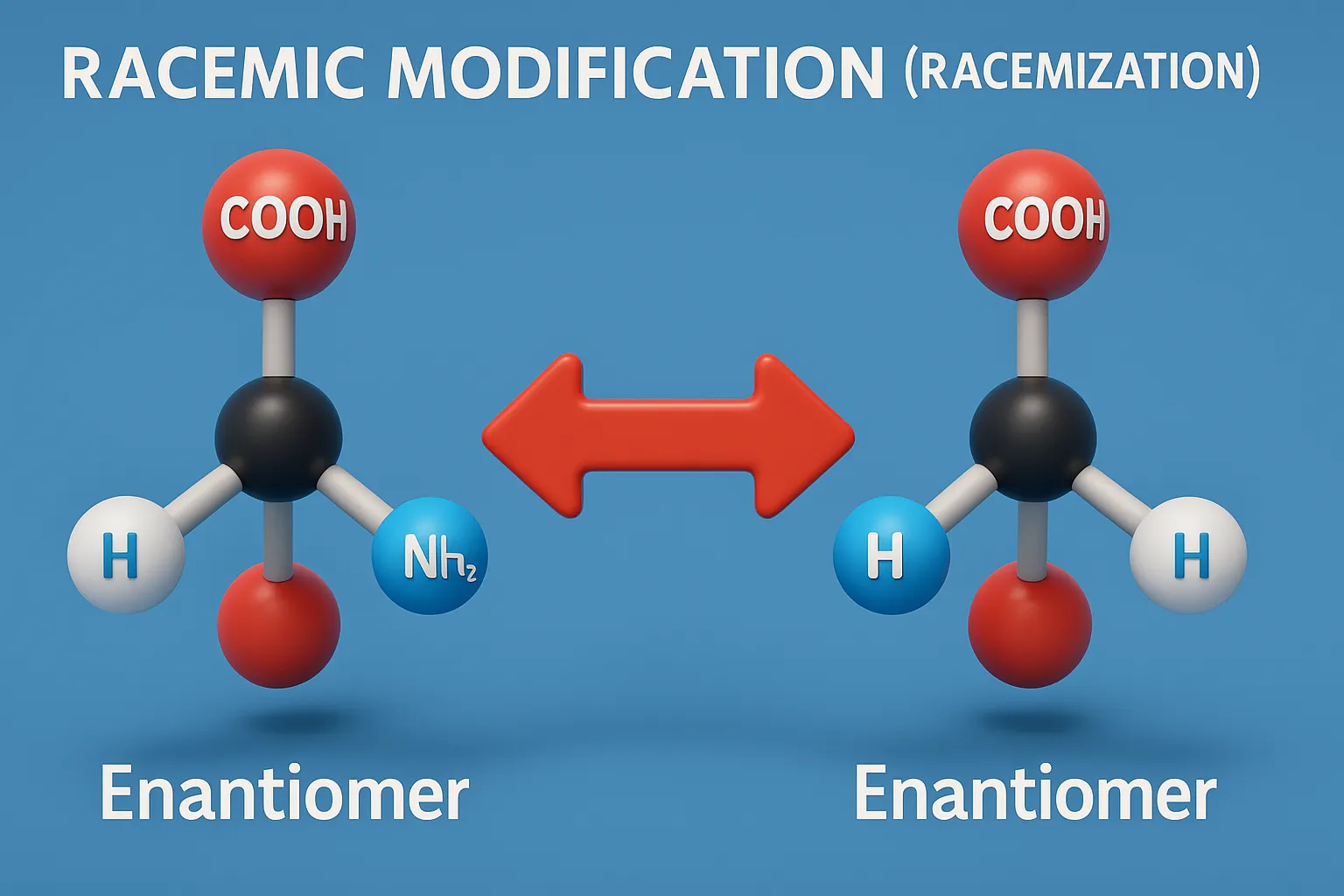
Racemic Modification (Racemization) is the formation of an equimolar mixture of two enantiomers, making the mixture optically inactive. What is a Racemic Mixture? A racemic mixture (also called a racemate) is a 1:1 mixture of two enantiomers of a chiral compound: One is dextrorotatory (+) One is levorotatory (−) Their optical rotations cancel, so the … Read more

R-S System of Nomenclature (Absolute Configuration)

R-S System of Nomenclature (Absolute Configuration)

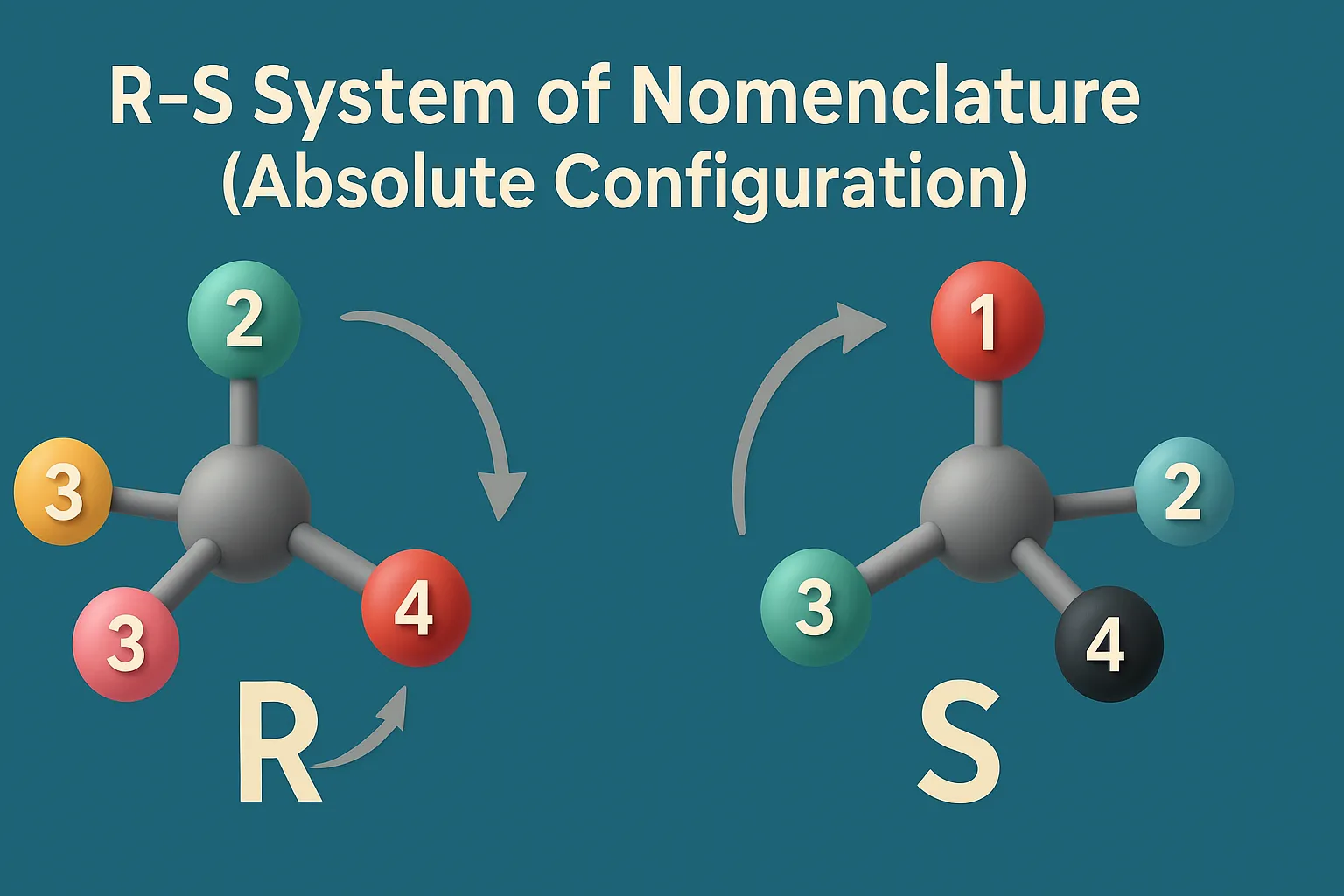
R-S System of Nomenclature (Absolute Configuration) designates chiral centers as R or S based on substituent priority and spatial arrangement. R-S System of Nomenclature (Absolute Configuration) The R/S system gives the absolute configuration of a chiral center using the sequence rules. Steps to assign R or S: Identify the chiral center. Assign priority (1–4) to … Read more

','

' ); } ?>