Excipients used in semi solid dosage forms

Excipients used in semi solid dosage forms
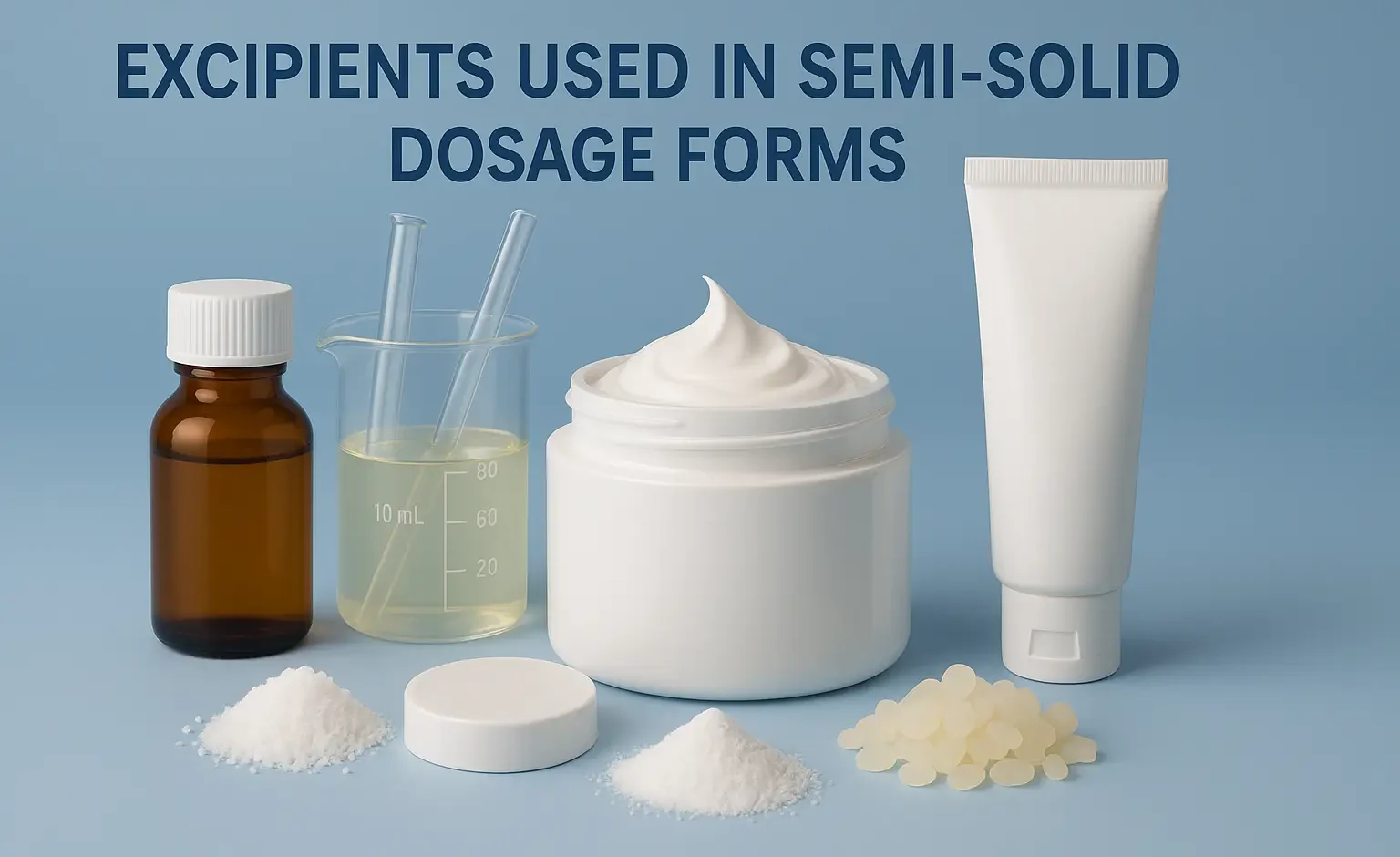
Excipients are inactive ingredients added to enhance the physical properties, stability, and patient acceptability of semisolid dosage forms. Common types include: Bases: Provide structure and consistency. They can be lipophilic (e.g., petrolatum, lanolin) or hydrophilic (e.g., polyethylene glycols). Gelling Agents: Form the gel structure in semisolids. Examples include carbomers, hydroxyethyl cellulose, and xanthan gum. Emulsifying … Read more
Preparation of Gels

Preparation of Gels

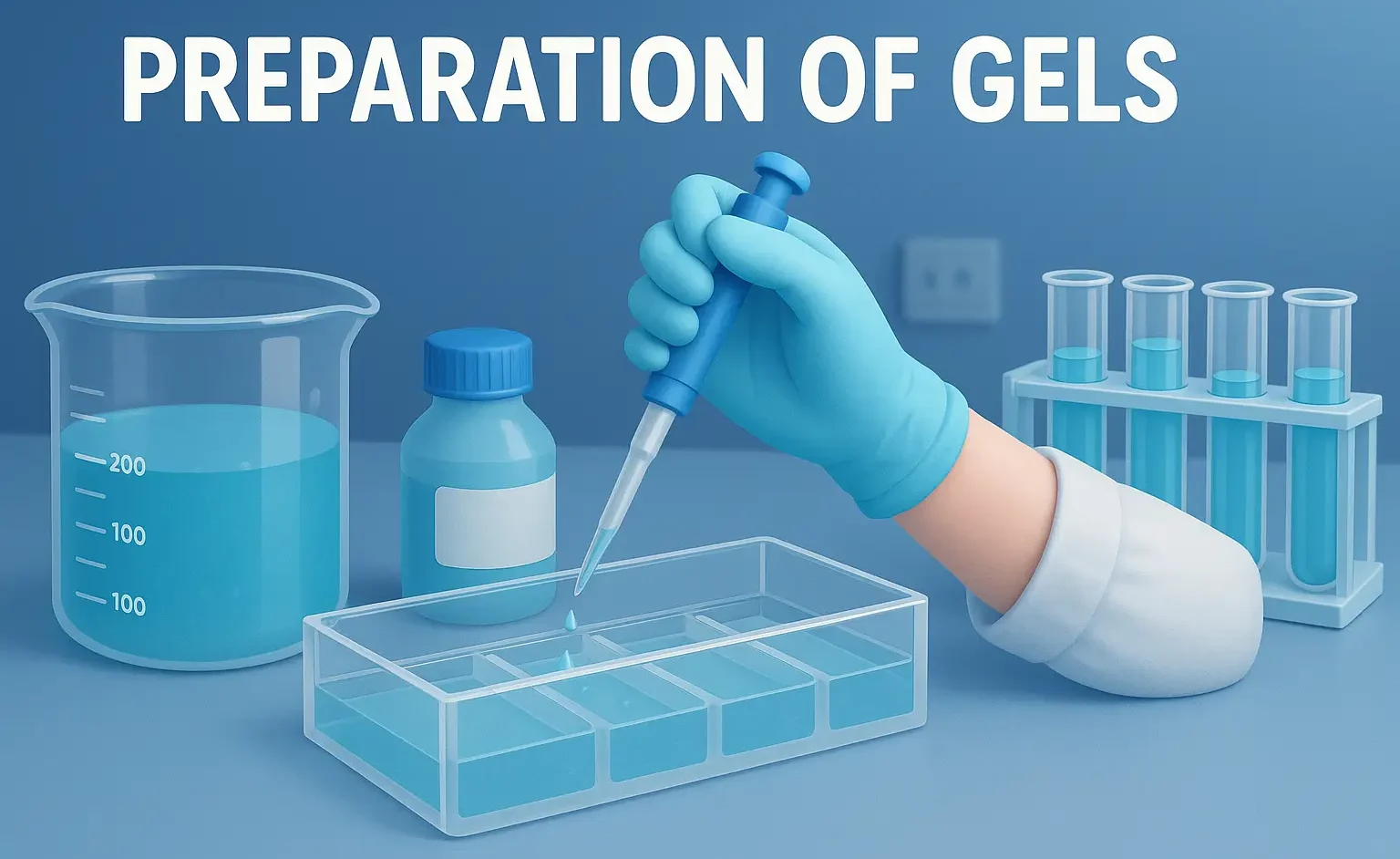
Definition Gels are semi-solid topical preparations consisting of a liquid phase dispersed in a gelling agent, forming a three-dimensional network. They are typically transparent, non-greasy, easily spreadable, and provide a cooling and soothing effect. Gels are widely used in dermatology, cosmetics, and medical applications. Preparation Methods Gels are prepared depending on their type: Hydrogels Water-based … Read more

Preparation of Creams

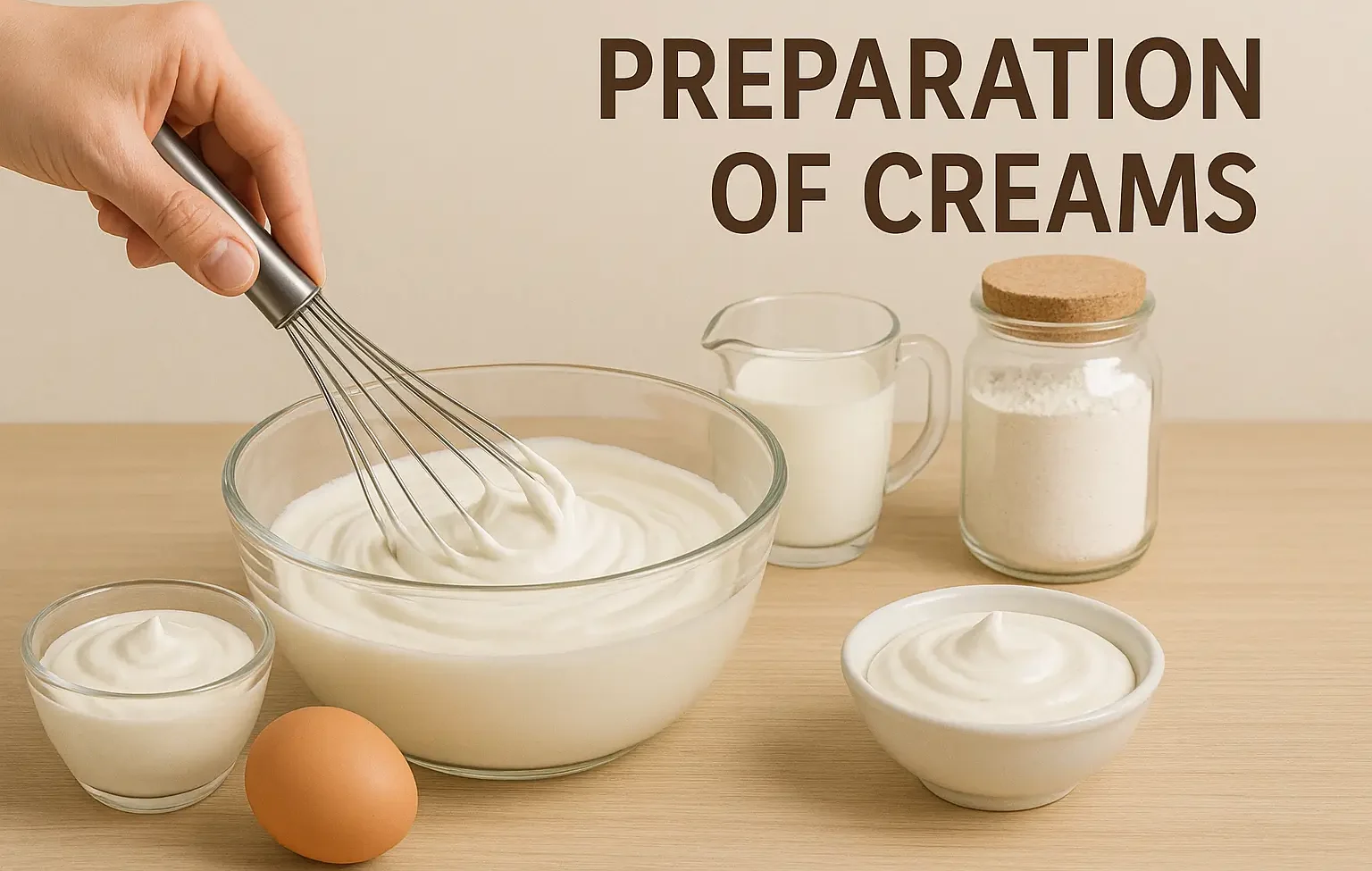
Preparation of Creams

Definition Creams are semi-solid topical preparations made from an emulsion of oil and water. They are less greasy than ointments and are easily absorbed, providing a balance between hydration and occlusion. Creams are widely used in skin care and medical treatments. Preparation Methods Creams are typically prepared as either oil-in-water (O/W) or water-in-oil (W/O) emulsions: … Read more

Preparation of Pastes

Preparation of Pastes

Definition Pastes are semi-solid topical preparations containing a high proportion of solid substances dispersed in a base. They are thicker and stiffer than ointments, allowing them to adhere to the skin for extended periods. Pastes are used to protect, soothe, and provide localized effects. Preparation Methods Levigation Solid ingredients are ground into fine powder and … Read more

Preparation of Ointments

Preparation of Ointments

Ointments are semi-solid topical preparations used to protect, soothe, or treat the skin or mucous membranes. They are typically composed of a greasy base that helps retain moisture and may contain active ingredients for various therapeutic purposes. Ointments are widely used in dermatology, wound care, and other medical applications. Preparation Methods Fusion Ingredients are melted … Read more

Factors influencing dermal penetration

Factors influencing dermal penetration

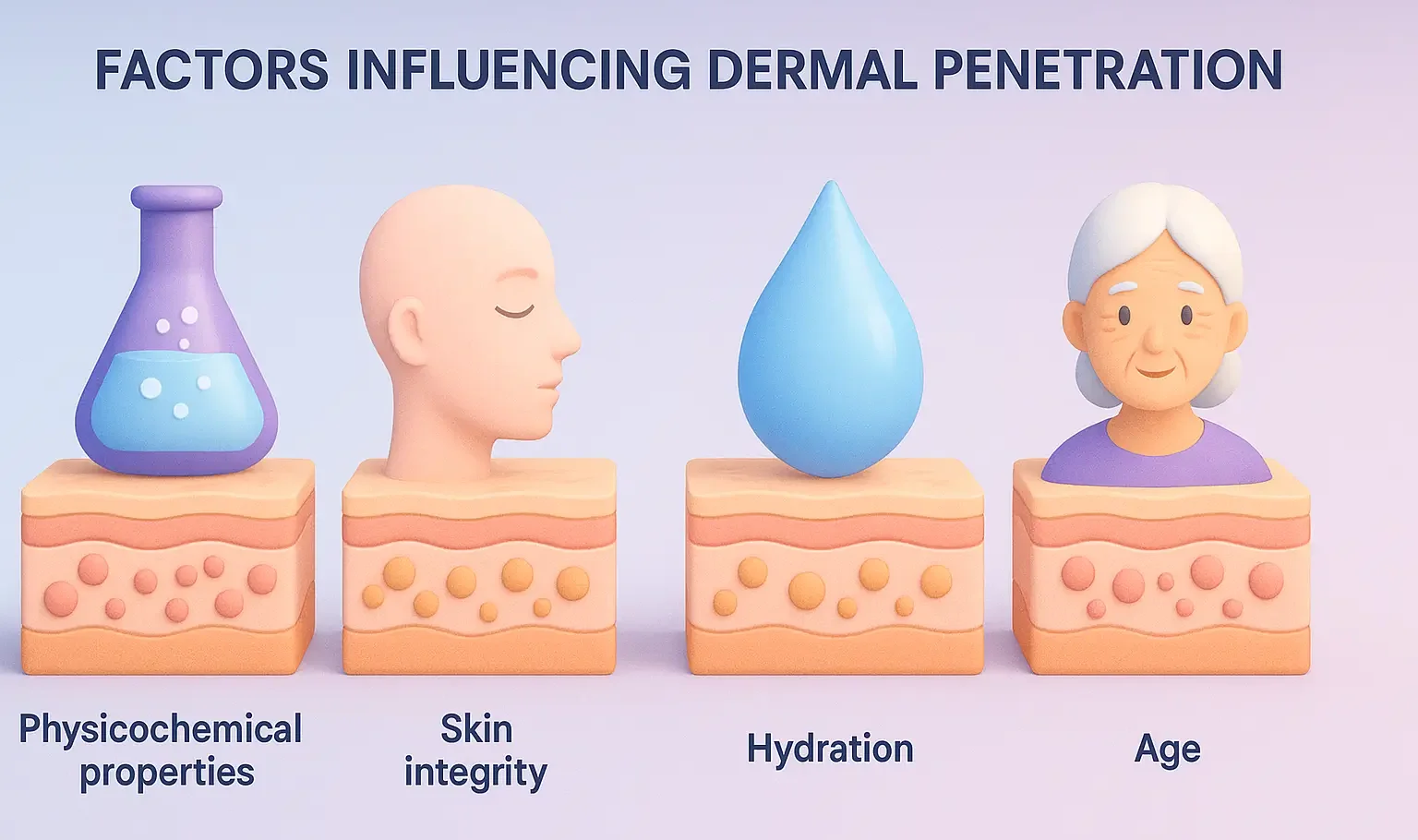
Several factors influence the rate and extent of drug penetration through the skin, which can be broadly classified into physiological factors, formulation factors, and physicochemical properties of the drug. 1. Physiological Factors Stratum Corneum Thickness: The stratum corneum is the primary barrier to drug penetration. Areas with thinner stratum corneum (e.g., the face, scalp) show … Read more

Mechanisms of dermal penetration

Mechanisms of dermal penetration

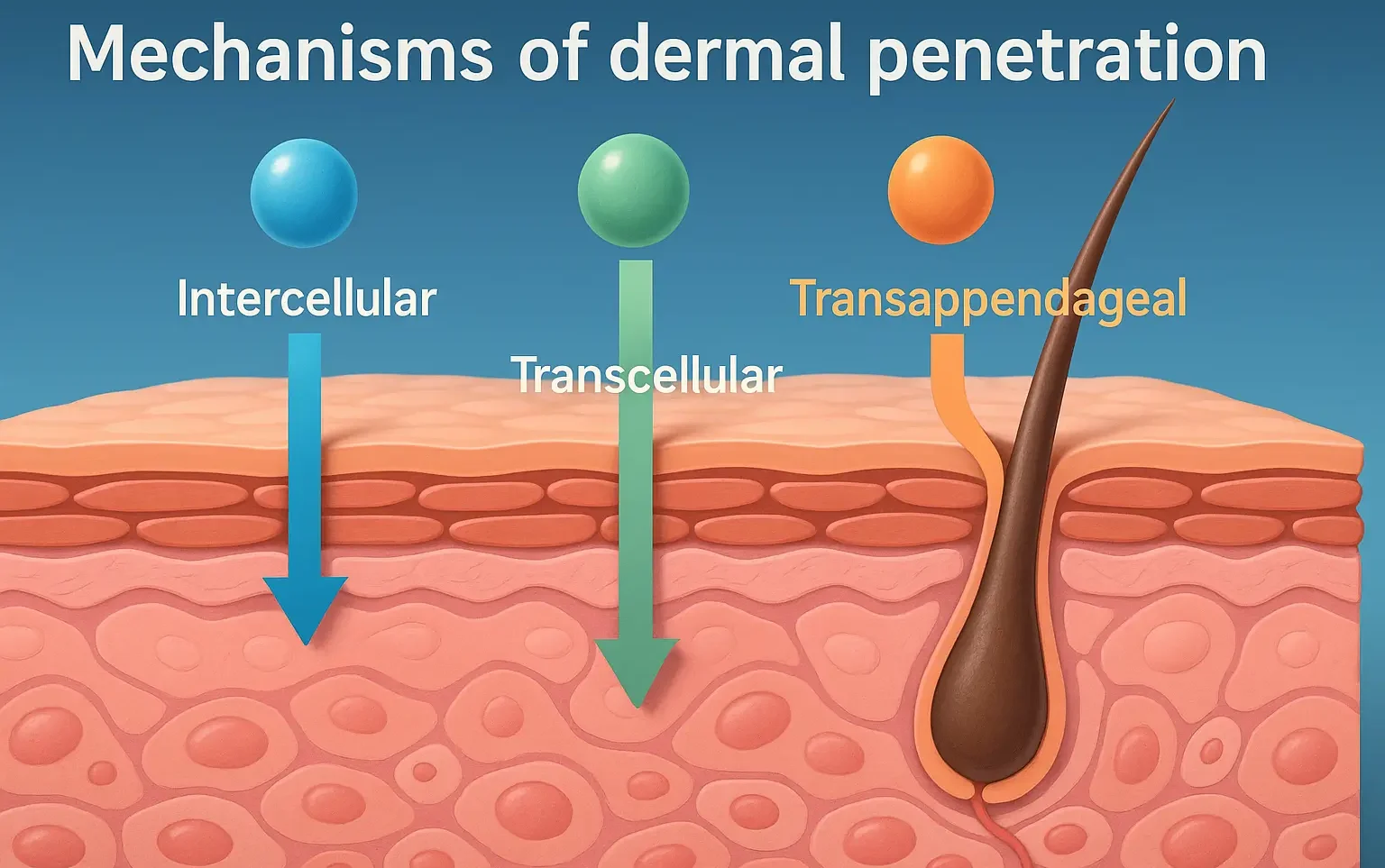
The skin has several layers, but drug penetration primarily occurs across the epidermis, particularly through the stratum corneum. There are three primary pathways for dermal penetration: 1. Transcellular (Trans-epidermal) Route Drugs pass directly through the keratinocytes (cells) of the stratum corneum. Challenges: This route requires the drug to partition into and out of the lipid-rich … Read more

Semisolid Dosage Forms

Semisolid Dosage Forms

Definition of Semisolid Dosage Forms Semisolid Dosage Forms are pharmaceutical preparations intended for external application to the skin or mucous membranes, having a consistency between solid and liquid. They are used for both local and systemic effects. These forms provide a medium for the drug to be delivered to the site of action, and their … Read more

Factors Causing Nonlinear Pharmacokinetics

Factors Causing Nonlinear Pharmacokinetics

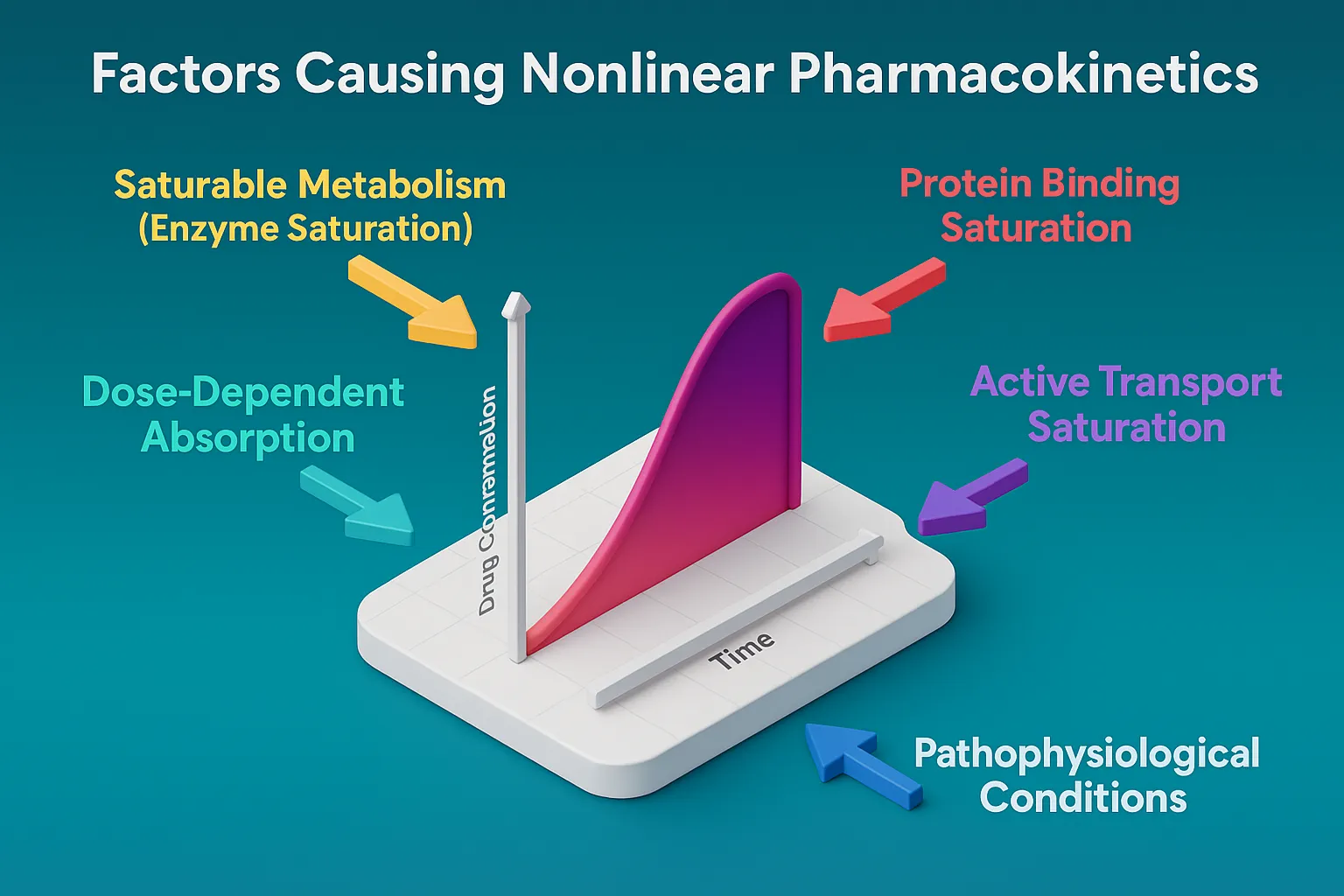
Factors Causing Nonlinear Pharmacokinetics include enzyme saturation, protein binding, transport limits, and metabolic pathway shifts. Factors Causing Nonlinear Pharmacokinetics Nonlinear pharmacokinetics arises from the saturation of physiological processes involved in drug metabolism, absorption, distribution, or excretion. Key mechanisms include: Saturable Metabolism (Capacity-Limited Metabolism) Enzymes (e.g., CYP450, alcohol dehydrogenase) become saturated at high drug concentrations. Once … Read more

Michaelis Menten equation

Michaelis Menten equation

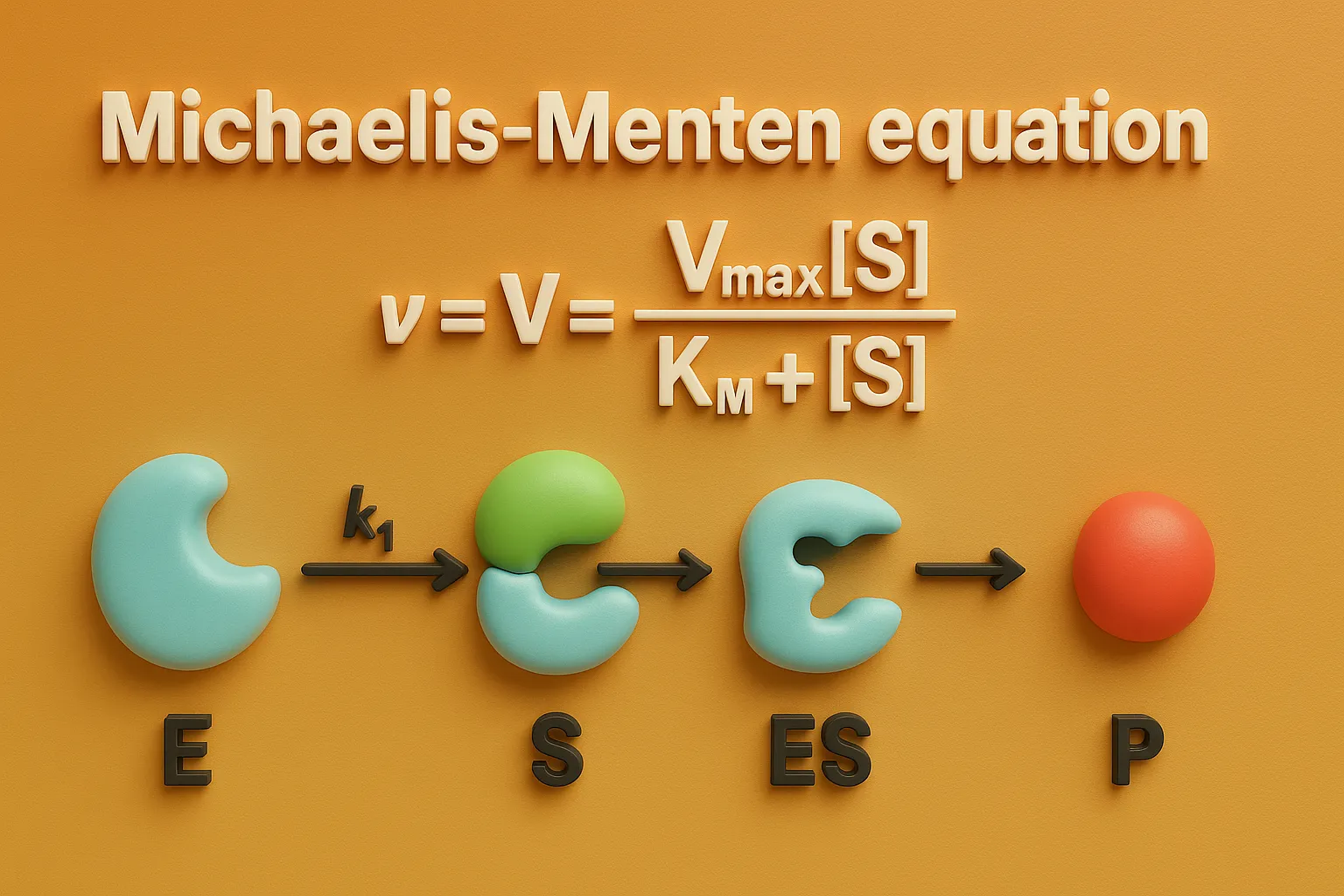
Michaelis Menten equation describes enzyme kinetics by relating reaction rate to substrate concentration in pharmacology. The Michaelis-Menten equation describes the kinetics of enzyme-catalyzed reactions, first proposed by Leonor Michaelis and Maud Menten in 1913. It expresses the relationship between reaction rate (V) and substrate concentration ([S]): $V = \frac{V_{\text{max}} \,[S]}{K_m + [S]}$ Where: V = … Read more

','

' ); } ?>