Flow Properties Of Powders

Flow Properties Of Powders
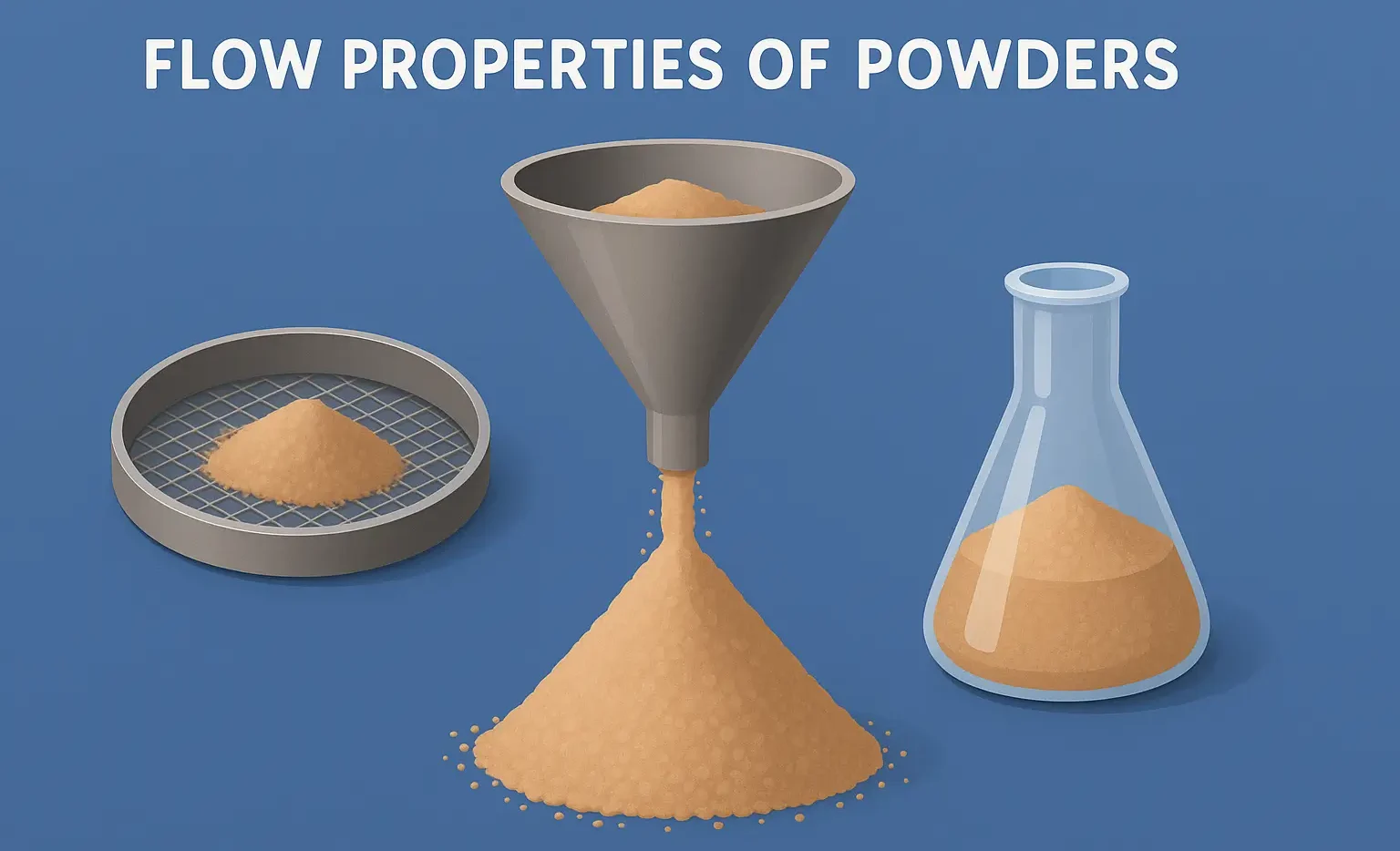
Flow Properties Of Powders describe how particles move, pack, and discharge in pharmaceutical processing. Flow Properties Of Powders affect mixing, granulation, tableting, and overall product quality. Powder flow is critical for operations like tablet compression, capsule filling, and granulation. Methods to Evaluate Flow: 1 Angle of Repose Angle formed when a powder is allowed to … Read more

Bulkiness

Bulkiness

Definition of Bulkiness: Bulkiness affects flow, compressibility, and formulation quality in pharmaceuticals. The reciprocal of bulk density. Indicates how much volume a given mass of powder occupies.   $B = \tfrac{1}{\rho_{b}} \; \text{(Bulkiness)}$ Units: cm³/g A bulky powder has low bulk density and occupies more volume. Importance: High bulkiness = light, fluffy powder Important for … Read more

Densities of Powders

Densities of Powders

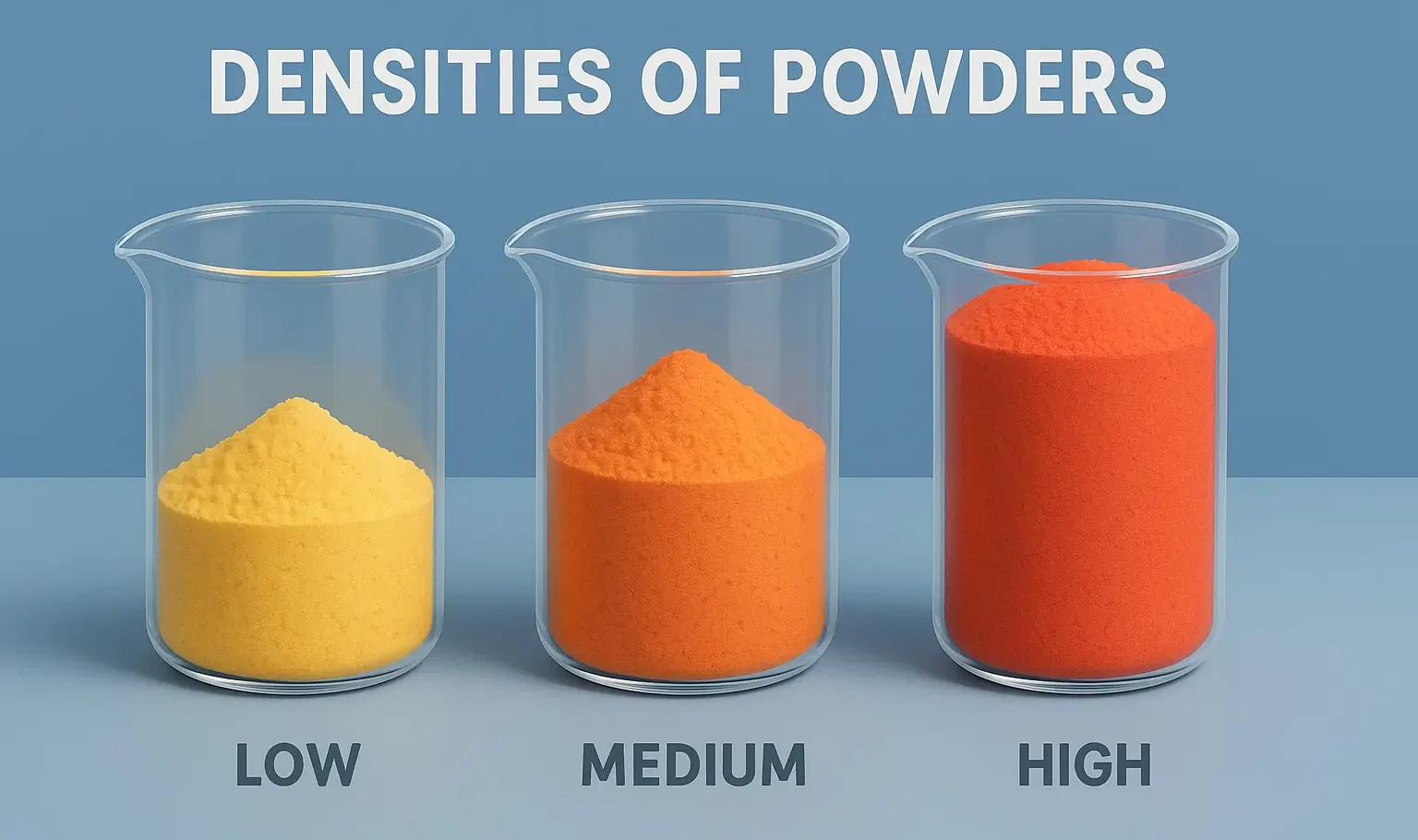
Densities of Powders explain bulk, tapped, and true densities influencing flow and packing. Densities of Powders determine formulation, compaction, and quality control in pharmaceuticals. True Density (ρt) The density of the actual solid material, excluding pores or voids. Measured using a helium pycnometer or liquid displacement. Units: g/cm³ $\rho_{t} = \frac{\text{Mass of particles}}{\text{True volume } … Read more

Packing Arrangement

Packing Arrangement

Definition of Packing Arrangement: Packing Arrangement refers to how particles are arranged in a powder bed. Influences bulk density, porosity, and flow. Types of Packing: Refers to how particles are arranged in a powder bed. Cubic Packing (loosest): Porosity ≈ 47.6 Packing fraction ≈ 52.4 Rhombic (or Hexagonal Close Packing, densest): Porosity ≈ 25.9 Packing … Read more

Porosity

Porosity

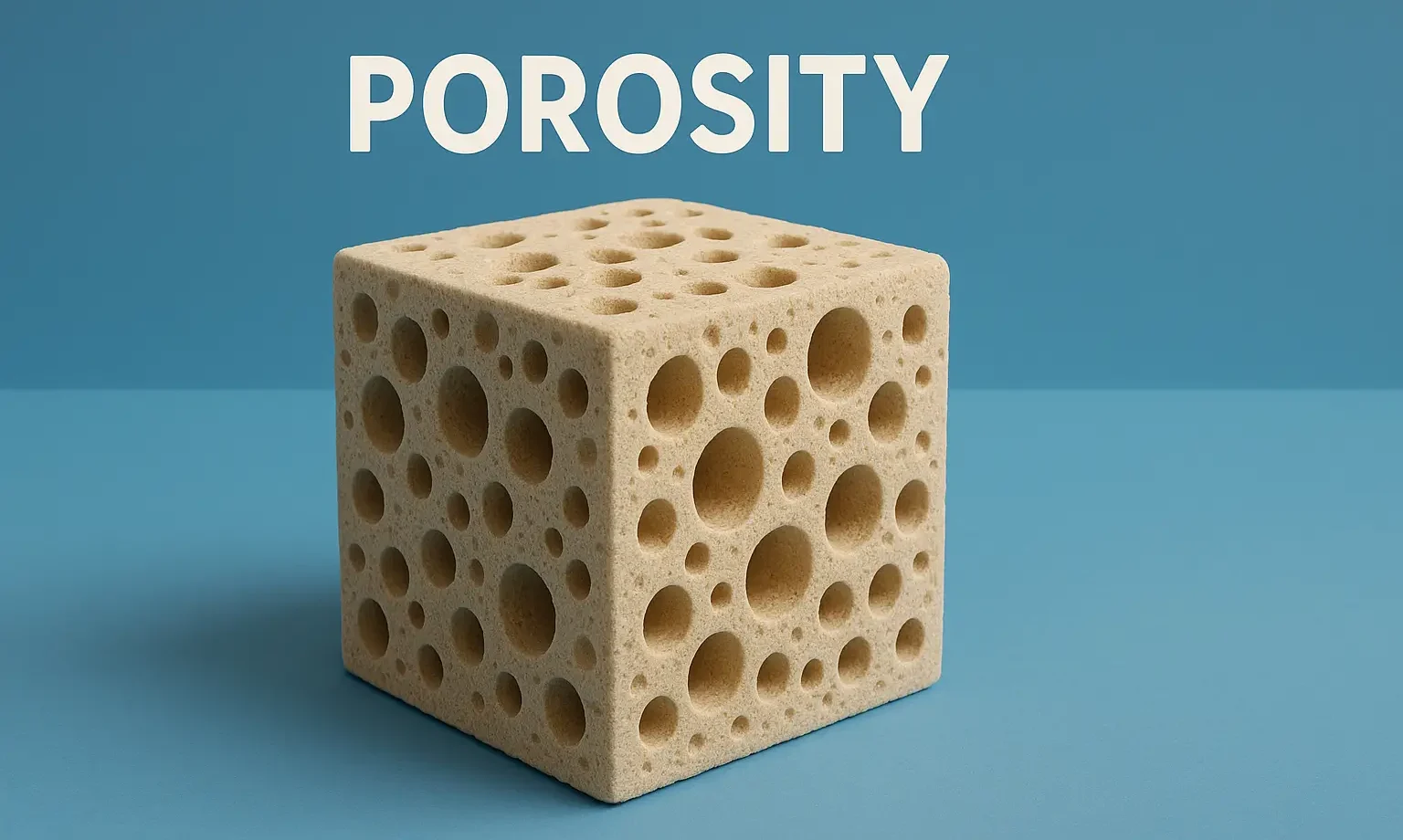
Definition of Porosity: Porosity is the fraction of void space (air) in a powder bed relative to its total volume. $\varepsilon = \frac{V_{b} – V_{s}}{V_{b}} \times 100 \; \text{(Porosity)}$ Where: Vb​ = Bulk volume (total volume occupied by powder, including voids) Vs​ = True volume (volume of the solid material itself) Alternatively, $\varepsilon = 1 … Read more

Derived Properties of Powders

Derived Properties of Powders

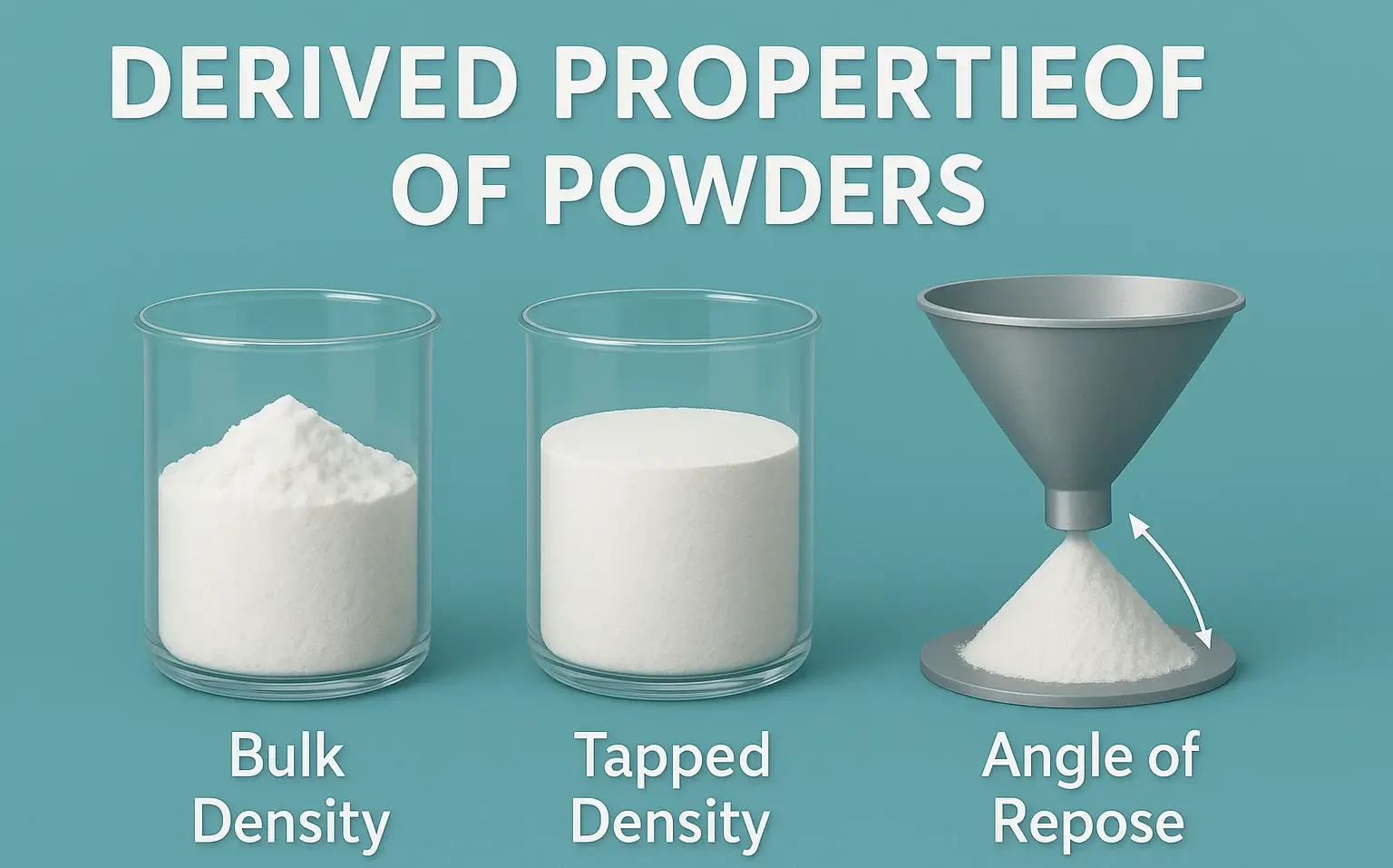
Derived properties of Powders are not directly measurable like particle size but are calculated or observed based on fundamental measurements. They help understand handling, processing, and formulation behavior of powders in pharmaceutical manufacturing. Main derived properties include: Porosity Packing arrangement Densities (true, bulk, tapped) Bulkiness Flow properties

Methods For Determining Surface Area

Methods For Determining Surface Area

Methods For Determining Surface Area explain techniques to measure particle surface in powders and solids. Methods For Determining Surface Area is a critical parameter in pharmaceutics because it affects dissolution, adsorption, chemical reactivity, and bioavailability. It is especially important for fine powders and porous materials. BET (Brunauer–Emmett–Teller) Adsorption Method Principle: Based on physical adsorption of … Read more

Specific Surface Area

Specific Surface Area

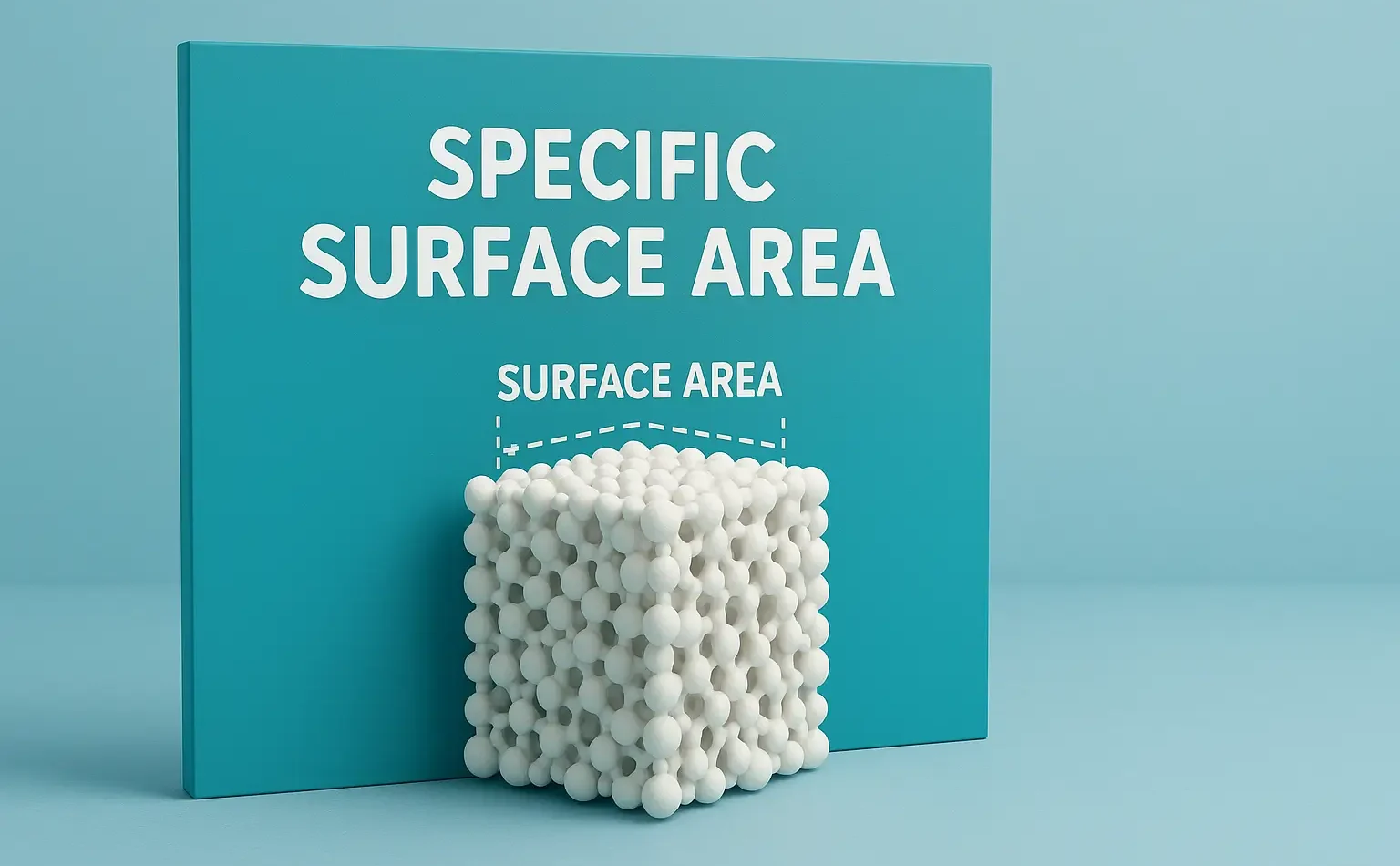
Specific Surface Area refers to the total surface area per unit mass of a material or powder. Specific Surface Area influences solubility, dissolution, reactivity, and pharmaceutical formulations. Definition: Total surface area per unit mass or volume of a material $\text{Specific Surface Area (SSA)} = \frac{\text{Surface Area}}{\text{Mass}}$ Units: m²/g (area per mass) cm²/cm³ (area per volume) … Read more

Particle Shape

Particle Shape

Particle Shape influences surface area, flow, and packing of powders in pharmaceutical formulations. Particle Shape affects dissolution, stability, bioavailability, and product performance. While most techniques assume spherical particles, real particles often have irregular shapes (needle, plate, cube, etc.). Shape Descriptors: Aspect Ratio = Length / Width Sphericity = Surface area of a sphere with same … Read more

Andreasen Pipette Method

Andreasen Pipette Method

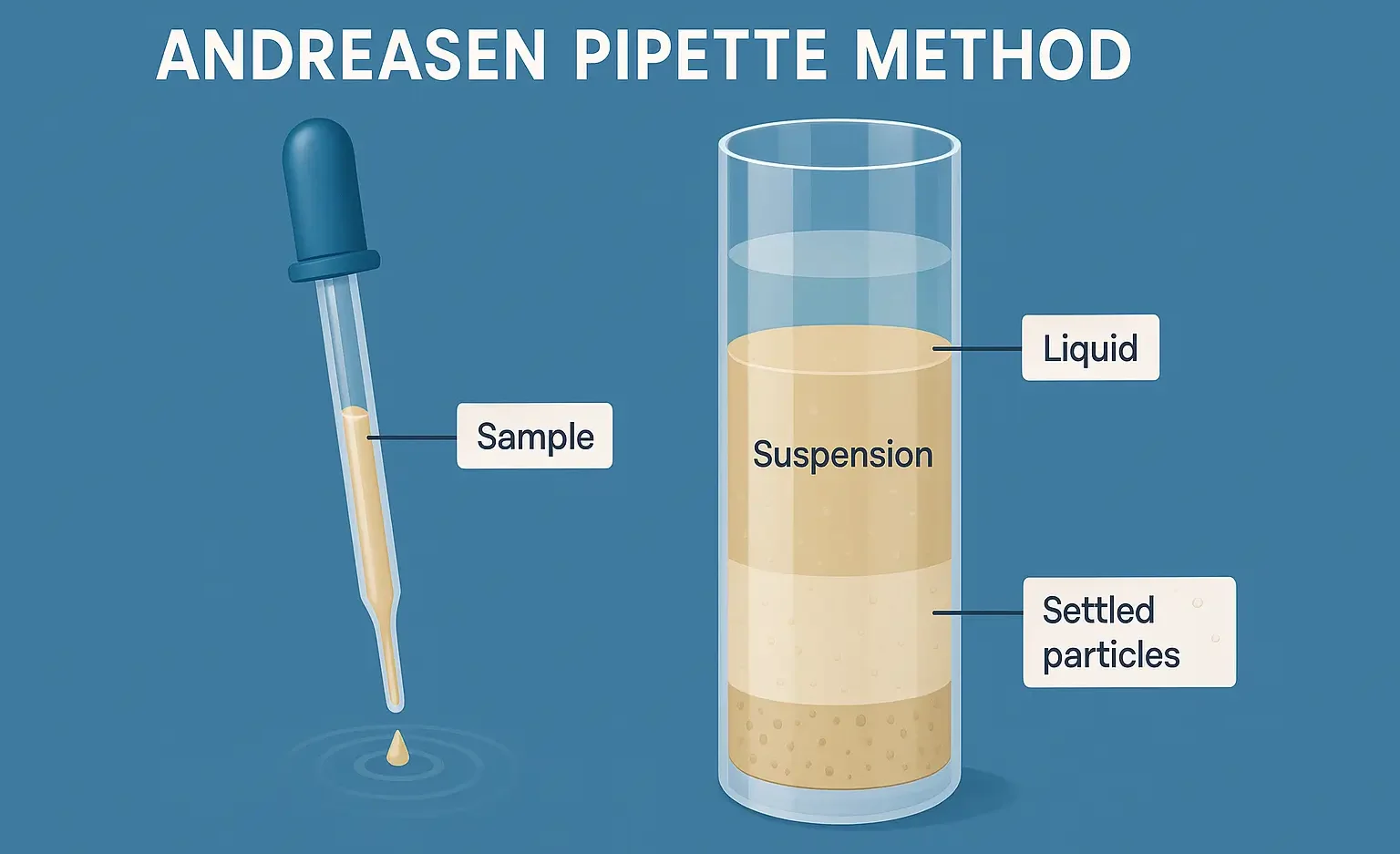
Principle of Andreasen Pipette Method The Andreasen Pipette Method is based on Stokes’ Law, which states that particles settle at a velocity proportional to their size in a fluid. Larger particles settle faster than smaller ones, allowing particle size distribution to be determined by sampling the suspension at fixed depths and times. The method is … Read more

','

' ); } ?>