
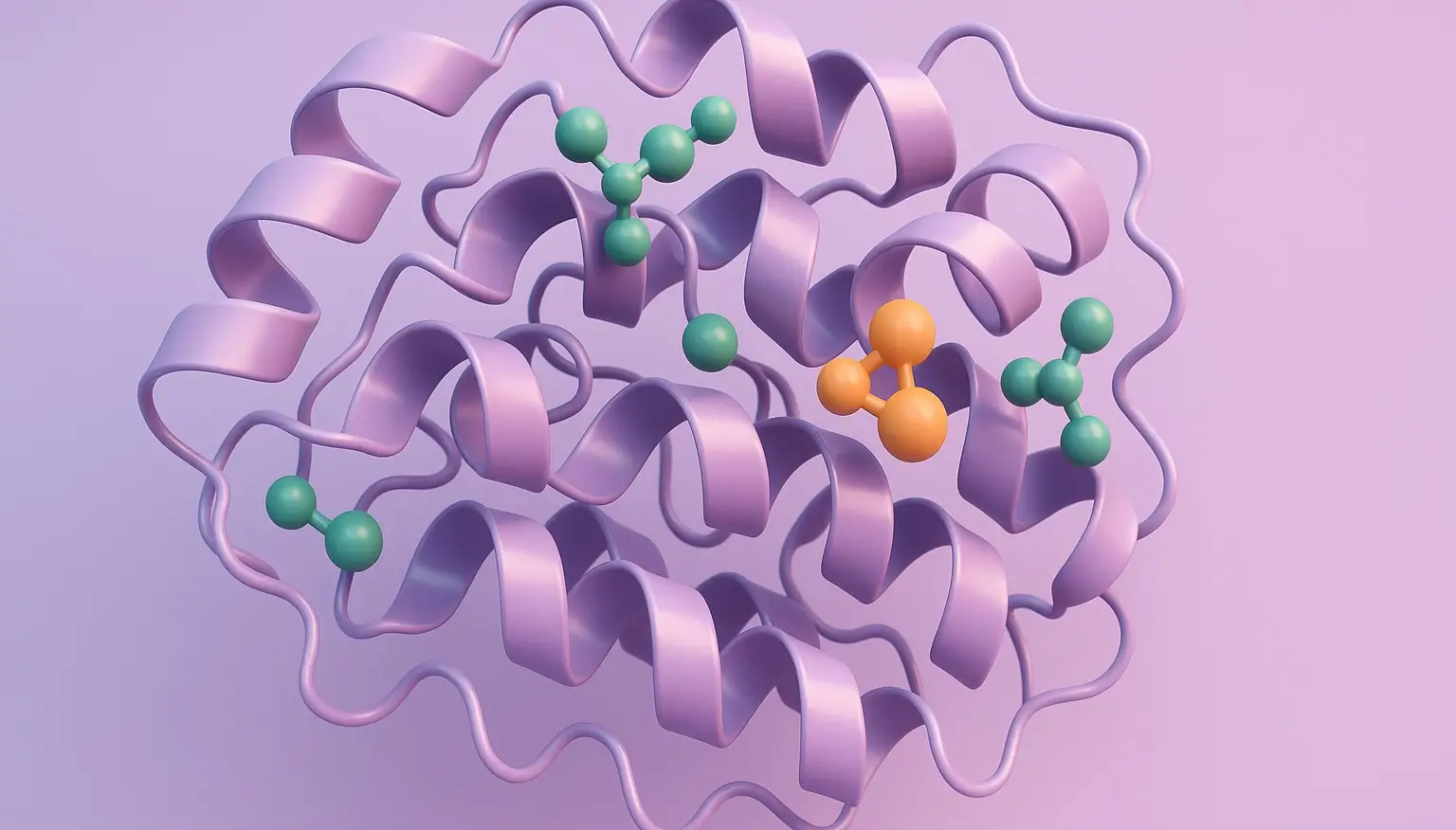
- Glucose-6-Phosphate dehydrogenase (G6PD) deficiency is a genetic disorder that affects the G6PD enzyme, crucial in the pentose phosphate pathway for maintaining cellular redox balance.
- It is inherited in an X-linked recessive manner, primarily affecting males.
Cause of Glucose-6-Phosphate dehydrogenase
- Mutation in G6PD Gene: Leads to reduced or absent G6PD enzyme activity.
- Inheritance: X-linked recessive; males are more severely affected, while females may be carriers.
Function of Glucose-6-Phosphate dehydrogenase
- Role in NADPH Production: G6PD is vital in producing NADPH during the oxidative phase of the pentose phosphate pathway.
- NADPH Function: Maintains reduced glutathione levels, protecting red blood cells (RBCs) from oxidative stress.
Consequences of G6PD Deficiency
- Reduced NADPH Production: Results in diminished antioxidant protection for RBCs, leading to increased oxidative damage.
- Hemolytic Anemia: RBCs are prone to hemolysis, causing symptoms like jaundice, fatigue, rapid heart rate, and dark urine.
Advertisements
Triggers of Hemolytic Episodes
- Infections: Increase oxidative stress.
- Medications: Antimalarials (e.g., primaquine), sulfonamides, and nitrofurantoin can trigger hemolysis.
- Fava Beans: Contain compounds that induce oxidative stress in RBCs.
- Chemical Exposure: Certain chemicals can precipitate hemolysis.
Diagnosis and Management
- Diagnosis: Blood tests (G6PD enzyme assay) and genetic testing confirm the deficiency.
- Management: Avoidance of known triggers is the primary strategy. Severe anemia may require blood transfusions.
Severity and Variability
- Symptoms: Vary depending on the specific mutation and residual G6PD enzyme activity.
- G6PD deficiency highlights the interaction between genetics and environmental factors in maintaining health. Awareness and trigger avoidance are key to managing the condition.