
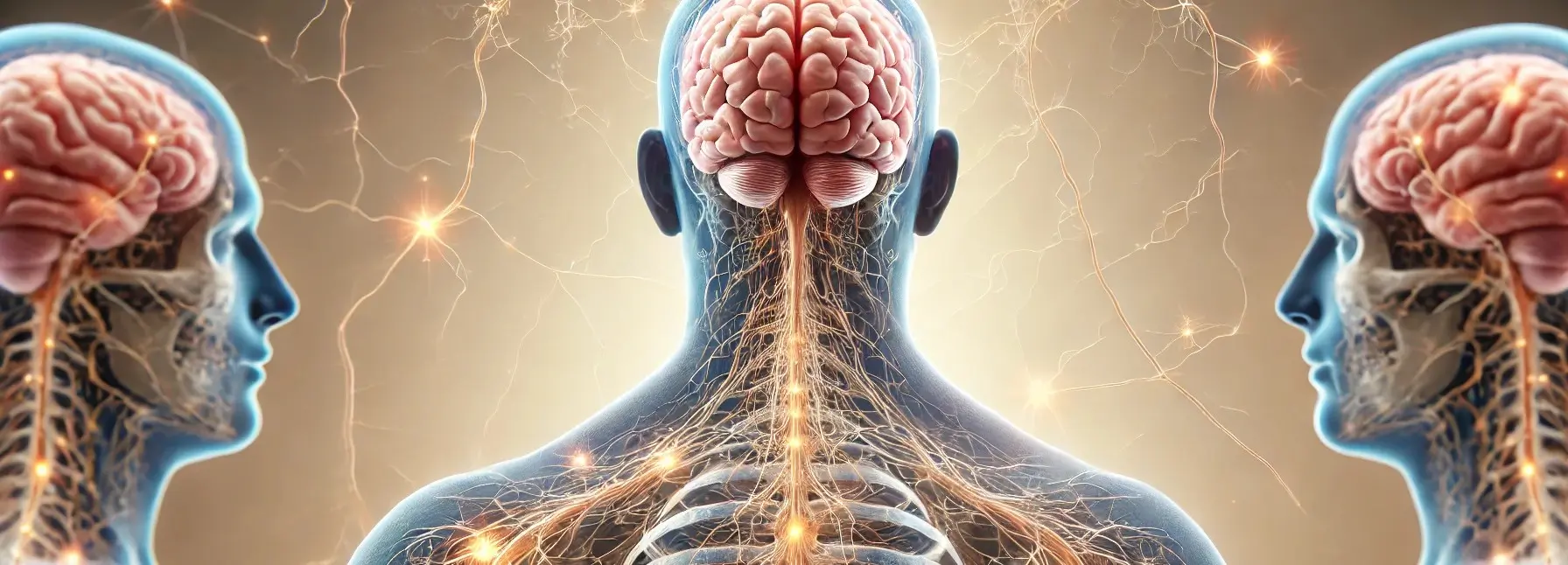
- The meninges are three protective layers of connective tissue that surround and protect the central nervous system (CNS), which includes the brain and spinal cord.
- These layers serve several important functions, such as providing physical protection, supporting the CNS, and containing the cerebrospinal fluid (CSF) that cushions the brain and spinal cord.
- There are three layers of meninges, from the outermost to the innermost:
1. Dura mater:
- The tough, outermost layer that provides strength and durability, composed of two sub-layers (periosteal and meningeal) and responsible for creating protective folds in the brain.
2. Arachnoid mater:
- The middle, web-like layer that contains the cerebrospinal fluid-filled subarachnoid space, arachnoid trabeculae for support, and arachnoid granulations for CSF reabsorption.
3. Pia mater:
- The delicate, innermost layer that closely follows the contours of the CNS, supplies blood to neural tissue and contributes to the production of cerebrospinal fluid via the choroid plexus.
Advertisements